






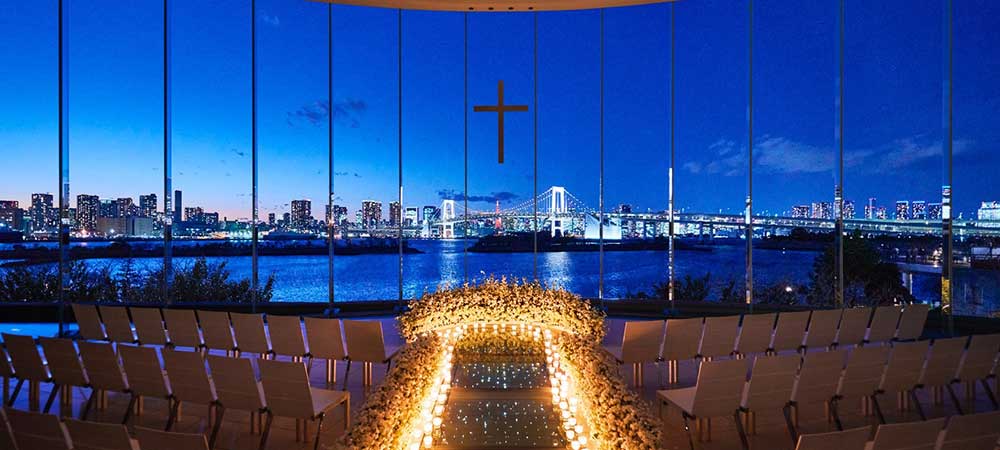

Tokyo Stillness
See Tokyo, differently.
History, Culture & Artisans 2026.06.19
Leaving Tokyo’s Rush Behind for the Calm of Zen: A Visit to Kōunji Temple in Setagaya
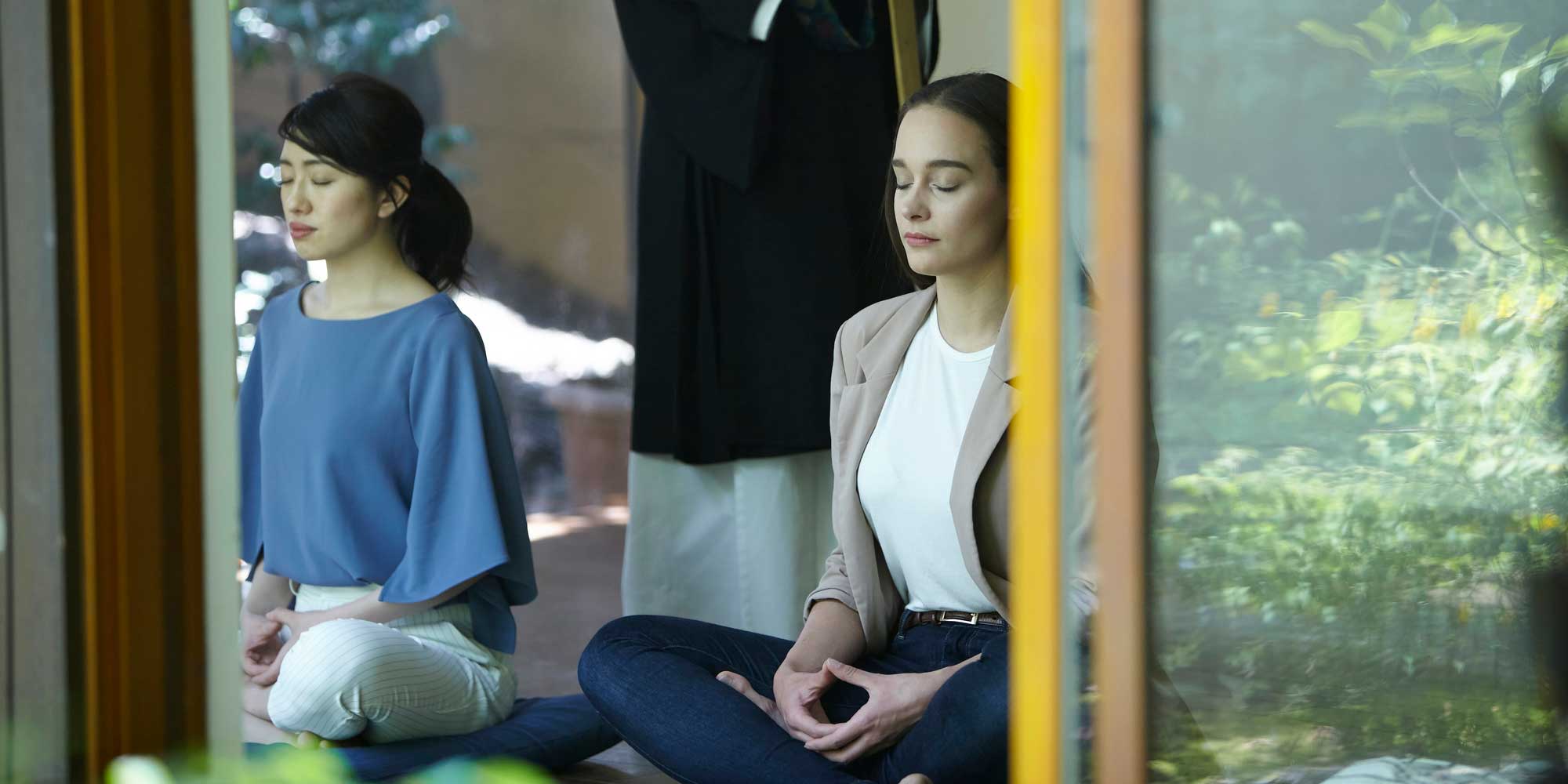
From Odaiba to Shibuya, Asakusa, and Shinjuku, Tokyo’s appeal lies in its diversity and energy. However, after hours spent among crowds, bright lights, and noise, there comes a time when you want to slow down and catch your breath. For that kind of pause, Kōunji Temple, a Sōtō Zen temple nestled in the residential neighborhood of Kinuta in Setagaya, offers a peaceful contrast to the city’s pace. Established in 1776, the temple holds zazen meditation sessions that visitors can join without advance registration.
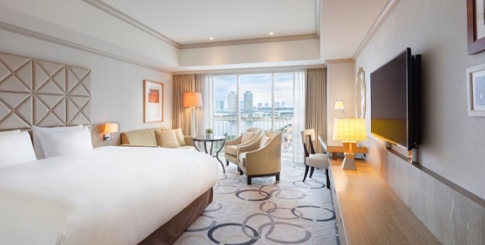
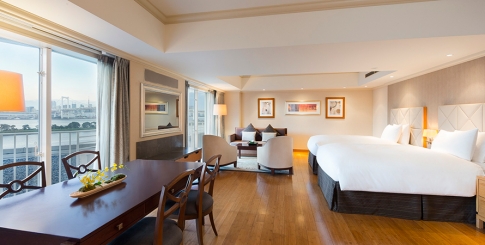
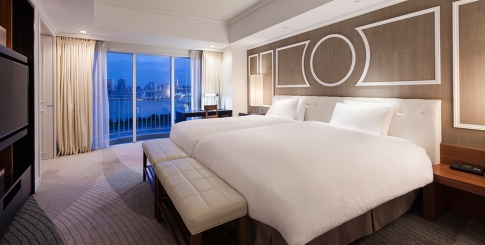
Facing the wall, sitting in stillness, and focusing on your breathing can create a surprising sense of space within a busy Tokyo itinerary. After zazen, even the journey back to Odaiba feels different. After both the energy of the city and the serenity of Zen, the tranquility of a hotel with an unobstructed view of the sea and sky may feel even more profound.
A Shift from Tokyo’s Energy to Stillness
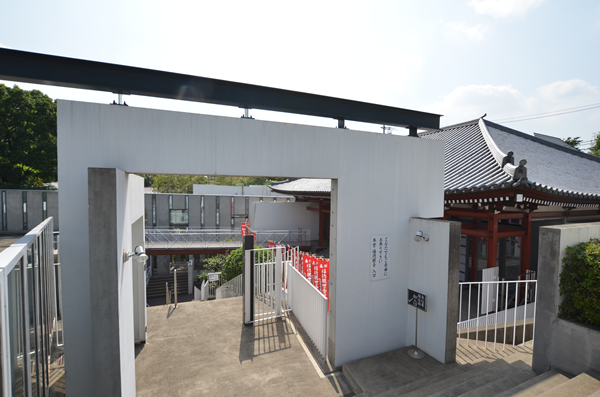
As soon as you enter the temple grounds, the architecture immediately stands out. Rather than vermilion-painted structures or ornate decorative details, the temple features concrete, steel, and wood, giving it a presence that feels almost like a museum. The current temple complex—including the main hall and gate—was designed in 1991 by architect Ryoji Suzuki.
From the gate to the main hall, visitors descend a set of stone steps. The design makes use of the land’s basin-like shape, gently guiding the body downward, almost as if entering the earth. With each step, the sounds around you seem to fade away, and your mind naturally begins to settle. In that sense, the architecture itself feels like a preparation for zazen.
After the crowds of Shibuya or Shinjuku, the sense of calm feels especially vivid. Tokyo’s appeal extends beyond its energy. Step just outside the flow of people and into a space where sounds recede, and a different side of the city begins to emerge.
When the Excitement of Travel Begins to Unwind
The Sōtō school of Zen, to which Kōunji Temple belongs, was introduced to Japan in the 13th century by Zen master Dōgen. At the age of 24, Dōgen traveled to China, where he trained under Zen master Rujing at Tiantong Mountain. There, he realized the concept known in Japanese as “shinjin datsuraku”—“dropping off body and mind.” It means letting go completely of attachments that bind both body and mind. It is not a technique or a method, but simply a release.
Today, mindfulness is often framed as a productivity tool: to improve focus, sleep, or efficiency in your daily routine. Sōtō Zen approaches things differently. Zazen is not a means to acquire something. Mushotoku mugo refers to seeking neither gain nor even enlightenment. Shikantaza means “just sitting.” The act itself is already complete.
For travelers used to optimizing every part of their itinerary, this perspective may seem unfamiliar at first. Often, what follows is a deep sense of relief.
Places to see, restaurants to visit, views to capture—a trip to Tokyo can quickly fill with plans and impressions. That is why time spent simply sitting, without aiming for a particular goal, can have such a powerful effect. The quiet of Zen allows the impressions and emotions of travel to slowly unwind.
Bringing Attention Inward: The Rituals Inside the Hall
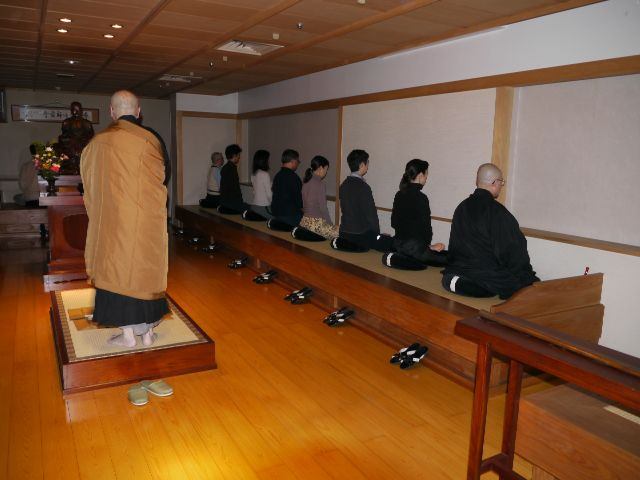
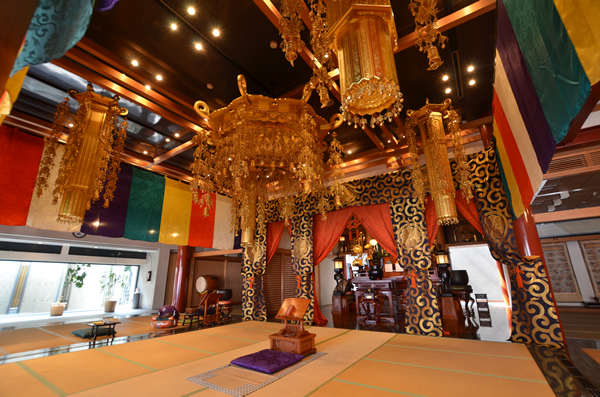
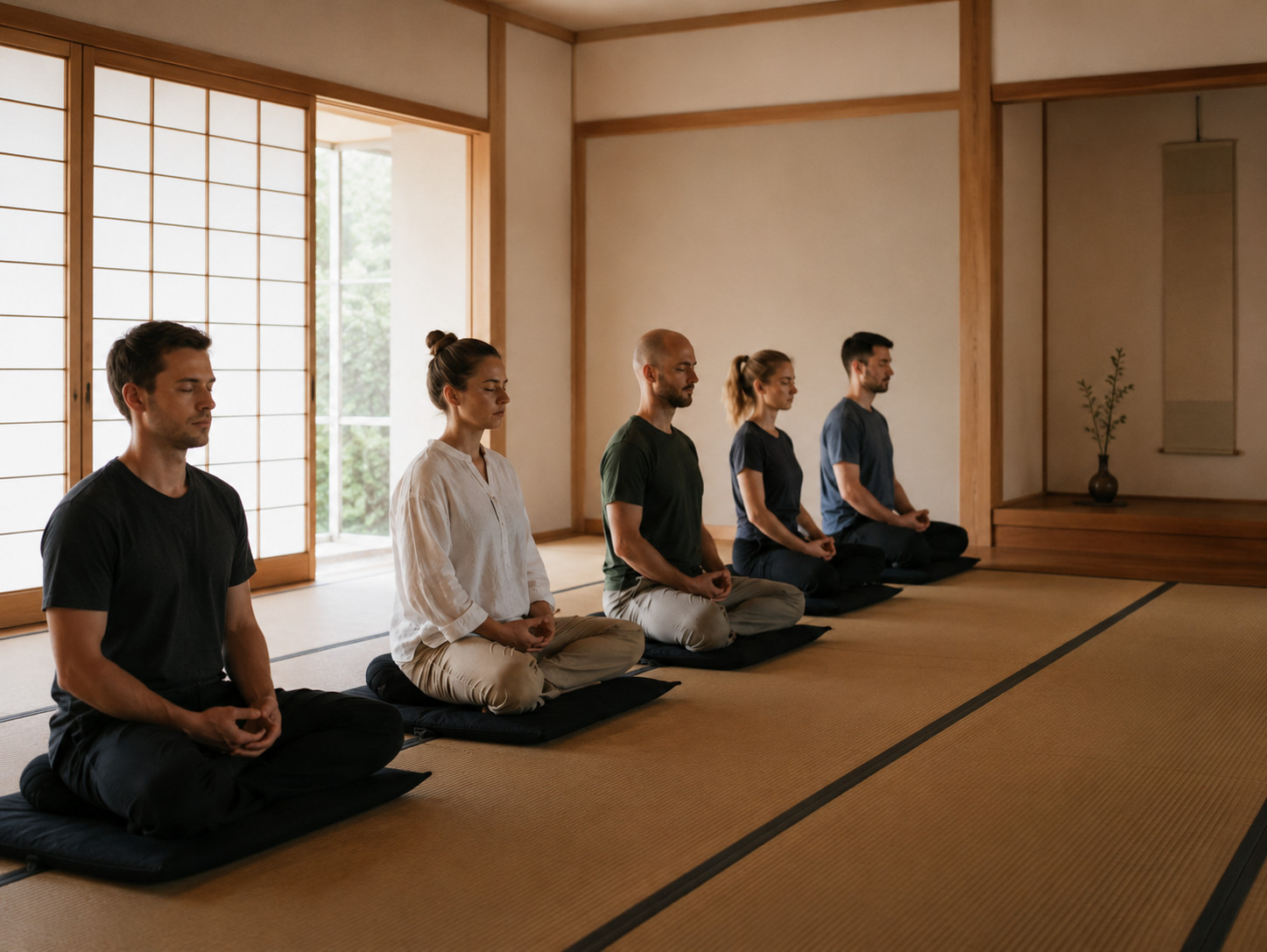
Inside the hall, visitors first remove their shoes and step barefoot onto the wooden floor. The cool surface signals a shift from the everyday. You sit on a round meditation cushion known as a zafu, cross your legs, and place your hands together in front of your lower abdomen as you settle into posture.
The eyes are not fully closed. Instead, the gaze rests softly on the floor at a downward angle, in a half-open state called hangan. You count your breaths. When thoughts arise, there is no need to force them away. Once you notice them, you simply return to “the breath.” You repeat this throughout the session.
A monk may lightly tap the participants’ shoulders with a flat wooden stick called a kyōsaku—not as a punishment, but as a gentle prompt that brings awareness back to the present. The quiet that follows the sound is also part of the experience.
In the city, our attention is constantly pulled outward—to signs, sounds, crowds, and smartphone maps. Zazen gently reverses this direction. Your senses, once reaching outward, begin to return to “the breath.” As they do, the Tokyo you know begins to appear in a different, calmer light.
A Weekend Practice Within the City
Kōunji Temple hosts public zazen sessions on Saturdays from 7:00 p.m. to 9:00 p.m., as well as early-morning zazen on the first Sunday of each month from 6:30 a.m. to 9:00 a.m. Saturday zazen does not require advance registration. First-time participants can arrive at 6:30 p.m. for guidance on the proper form. Early-morning zazen, however, requires a phone reservation at least two days in advance.
The participation fee is 400 yen for either session. Loose-fitting pants are recommended, and visitors go barefoot inside the hall. No special equipment or prior knowledge is necessary. All you need is a willingness to pause for a moment.
Kōunji Temple’s official website features a dedicated section: “English Pages About Zazen Sessions,” making the practice accessible to visitors regardless of nationality. As a way to conclude your stay in Tokyo, consider experiencing the profound quiet of Zen at Kōunji Temple in Setagaya.
Tokyo is more than just glamorous landmarks and new commercial developments. Deep within its residential neighborhoods, there are quiet places of practice open to anyone, adding to the city’s depth. Arriving at Kōunji after moving through Tokyo’s busy streets, the stillness tends to leave a lasting impression.
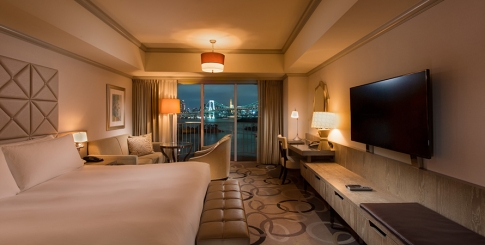
When you climb the stone steps after zazen, even the same view may appear slightly different. No explanation is needed. Something has shifted. The crowds of Shibuya, the night view from your hotel room—each scene stands out more clearly after spending time in a tranquil place. This is when the day wraps up in a complete story.
After visiting Kōunji Temple, you return to Odaiba. The city’s bustle, the calm of Zen, and the open space of a hotel facing the sea and sky—in sequence, they turn a day in Tokyo from simple sightseeing into an experience of rhythms and contrasts.
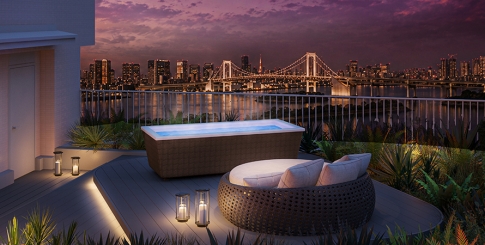
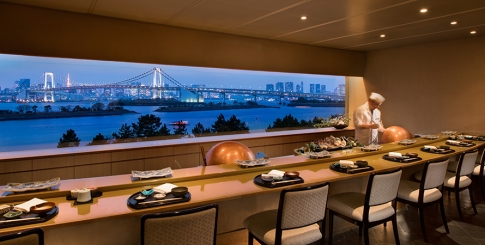
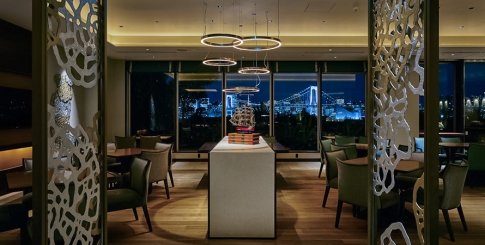
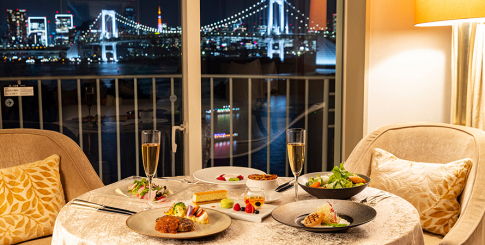
The night view from a balcony at Hilton Tokyo Odaiba may look a little different afterward. Having experienced both the intensity of the city and the serenity of Zen, you may observe the lights across the water coming together into a single, harmonious landscape. Returning here brings the day’s journey to a meaningful close.
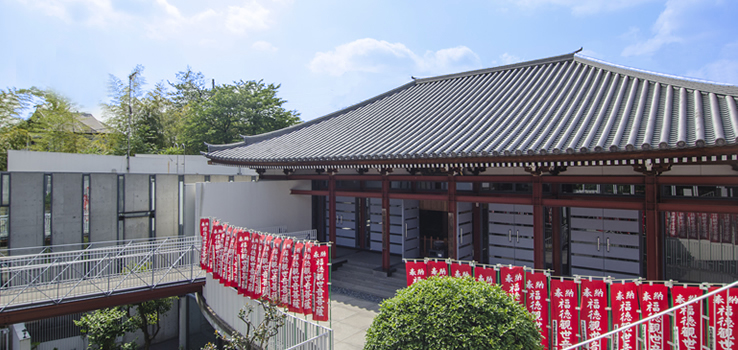
Seijozan Kōunji Temple
Address: 7-12-22 Kinuta, Setagaya-ku, Tokyo 157-0073
Tel: 03-3416-1735


