










Tokyo Stillness
See Tokyo, differently.
Interview 2026.07.03
Tokyo Reveals More When You Venture Just Beyond Downtown: Keiko Kojima on the Meaning of Staying at Hilton Tokyo Odaiba
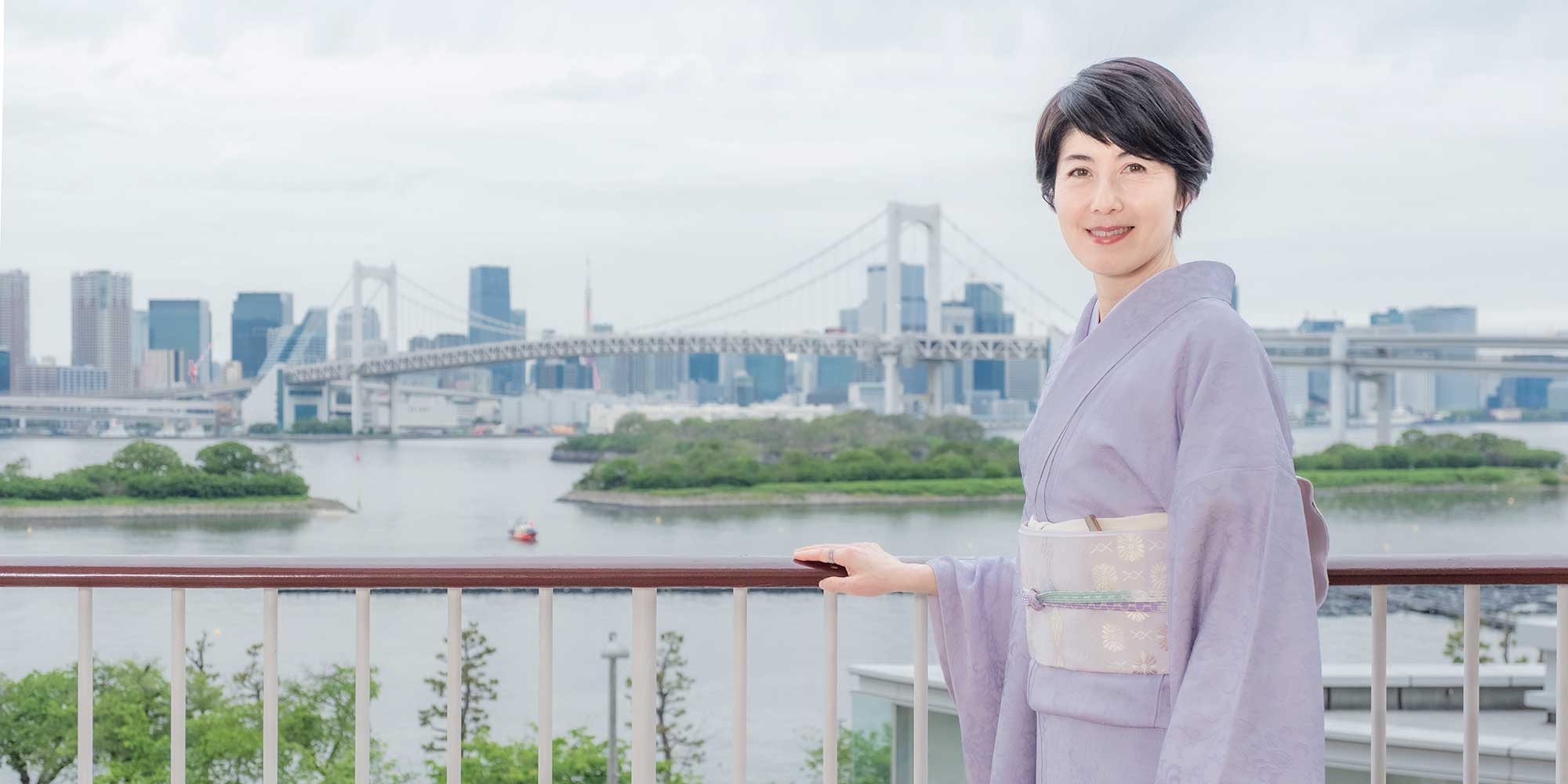
Tokyo is one of the most densely populated cities in the world. People, lights, information, food, history, culture—all converge with striking intensity, which can easily overwhelm visitors. Yet, simply being caught up in this energy may actually make it more difficult to see Tokyo’s true character and depth. Keiko Kojima, who spent over a decade raising children while moving between Japan and Australia, says that leaving Japan changed her perspective on both the country and Tokyo itself. What are the things to discover when you venture a little farther from the city center? Through Kojima’s words, we explore what it means to stay at Hilton Tokyo Odaiba.
(Profile)
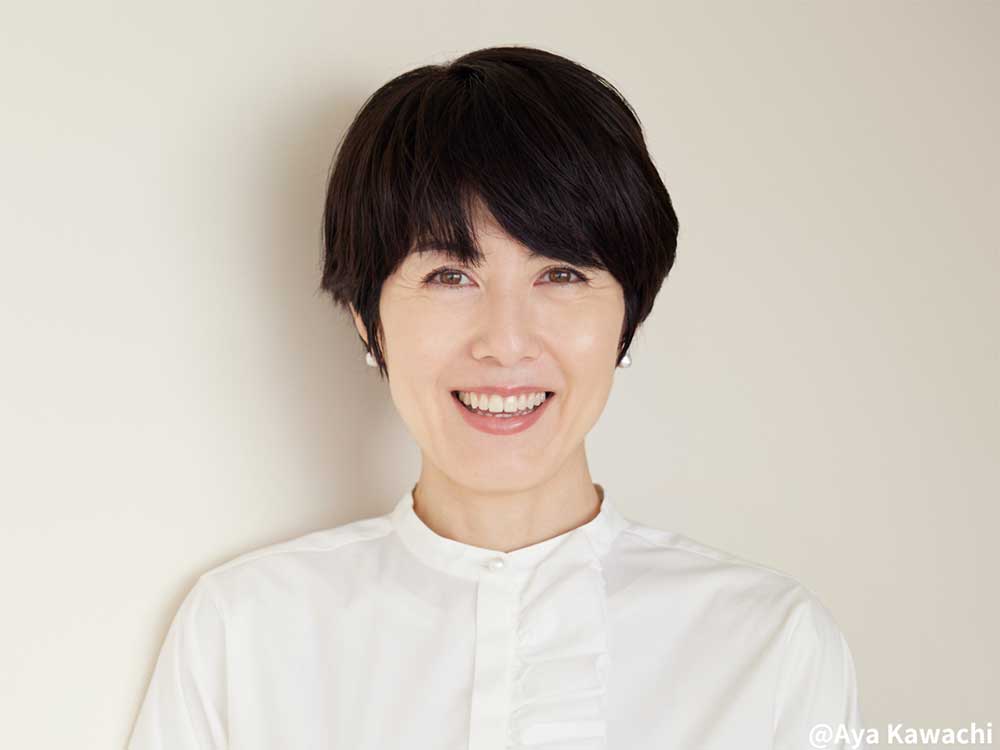
Keiko Kojima
Born in Australia in 1972, essayist and media personality Keiko Kojima also lived in Singapore and Hong Kong as a child. After working as an announcer for TBS, she became independent in 2010. She has since built a diverse career spanning radio, television, writing, and public speaking. After relocating with her family to Australia, she balanced raising children while living between Japan and Australia. Now based in Japan, she continues to write and speak on topics including gender, family, education, society, and multicultural coexistence.
“Viewing Japan from Outside” Helped Me Recognize Its True Value
When Kojima relocated with her family—her husband and two sons—to Australia in 2014 for her children’s studies, she found herself dividing her time between Japan, where her work was, and Australia, where her family was based. One of the first things that surprised her was how deeply Japanese food and culture had already become part of everyday life there.
“In Japan, sandwiches seem completely ordinary. You can buy them anywhere, and people make them at home, too, so no one thinks of them as some special “foreign food.” In Australia, thick sushi rolls have become just as familiar.”
You can find them at station kiosks, shopping malls, and even school cafeterias. Sushi made with Tasmanian salmon is commonplace, and supermarket shelves are stocked with soy sauce, mirin, and karashi mustard. Matcha, green tea, and even Japanese-language studies are widely embraced.
“I truly want people in Japan to know how loved Japanese culture is in Australia.”
When you live in Japan, it is easy to take Japanese culture for granted. However, viewing it from an outsider’s perspective brings its unique value to light. What Kojima came to appreciate extended beyond food. She also recognized Japan’s culture of wrapping things with great care. The choice of paper, the way a cord is tied—wrapping itself becomes a form of communication, an expression of thoughtfulness toward others.
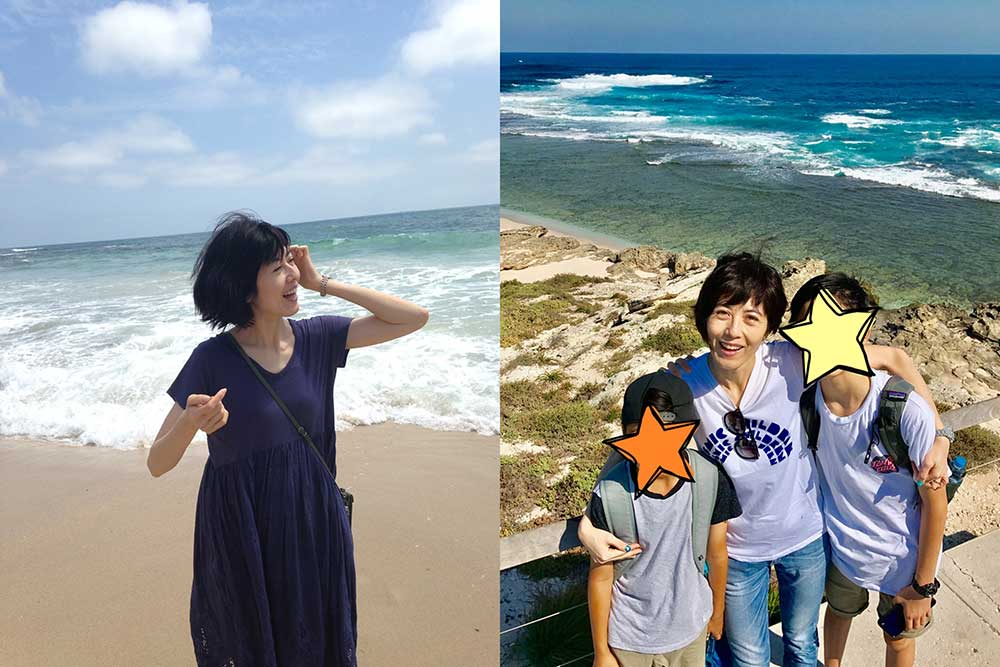
“When you live in Japan, meticulously wrapped items from a store feel completely normal. However, after spending some time in Australia, I started wondering why Japan places so much importance on packaging. When I looked into it, I learned that this tradition dates back to origata, a samurai code of etiquette from the Muromachi period. Hardly anyone in Japan knows that, either. Sometimes you only come to understand yourself after stepping outside your own country.”
She also notes that elements of Japanese culture—kimono, tea ceremony, Buddhism, Noh theater, calligraphy—are not isolated traditions but deeply interconnected. The more you learn, the more layers of meaning emerge beneath what first looks like a simple “Japanese experience.”
“With kimono, for example, I think it’s perfectly fine if the first point of entry is simply, ‘This is very Japanese’—a beautiful, non-everyday garment for someone unfamiliar with it. But once you start wondering about the meaning behind the colors and patterns, or the artisans involved, an entire world opens up behind a single kimono.”
There are aspects you may not immediately notice in just one visit. However, when you return with more knowledge, the same scenery and the same experience you encounter can take on new significance. Kojima’s words provide a valuable insight for anyone seeking to experience Tokyo more profoundly.
When Where You Stand Changes, So Does What You See
Kojima says that living overseas transformed not only her perspective on Japanese culture, but also how she views people and society as a whole. In Australia, she experienced what it meant to become “an overwhelming minority.”
“I’m not a perfectly fluent bilingual, so in English I can only express part of what I really want to say. I was also racially a minority, and I had no relatives in Australia. Experiencing that kind of vulnerability was an important lesson.”
In Japan, Kojima often moved through life with ease, as part of the majority who shared the same language and culture. However, crossing borders instantly changed that position.
“You’re still the same person, but the moment you leave your own country, you become part of a minority with a different language and culture. When your environment changes, your sense of self and the way you see the world also change completely. Realizing that broadened my perspective.”
She says that experience also changed her perspective on foreigners working in Japan. Having worked and lived in a linguistic environment that was not her native language, she can now personally relate to their efforts and feelings of isolation.
“I started to look at people from overseas working in Japan and think, ‘That person is me.’ I know what it feels like to live in a foreign country where the language is different.”
Kojima believes there are many nuances in the Japanese language itself, in people’s backgrounds, and in the way culture is received. Perfectly fluent, grammatically precise Japanese is not the only “correct” form; Japanese spoken with a non-native accent or imperfect grammar is also part of the language spoken by people living in Japan. Embracing this diversity, she suggests, could help enrich Japanese culture in the future.
When your perspective shifts, so does your view of the world. This feeling echoes the experience of staying at Hilton Tokyo Odaiba.
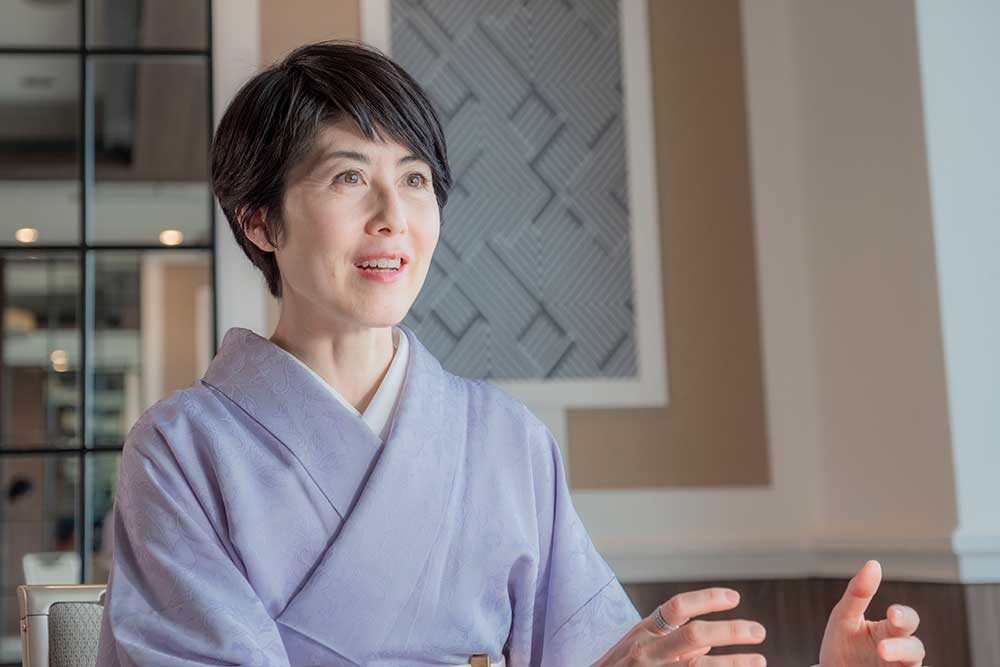
Tokyo is Fascinating Precisely Because It is Larger Than Life
When asked what she would highlight to people from overseas, Kojima’s response was simple: Tokyo is a megacity.
“The view as your plane lands is unforgettable. Tokyo looks like it goes on forever. The buildings and the people are packed together so densely that they form a cityscape unlike anywhere else.”
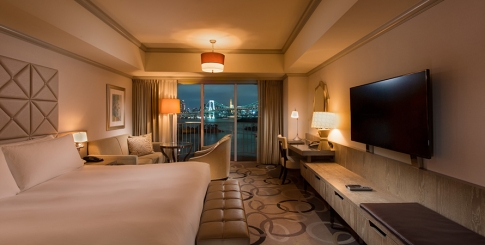
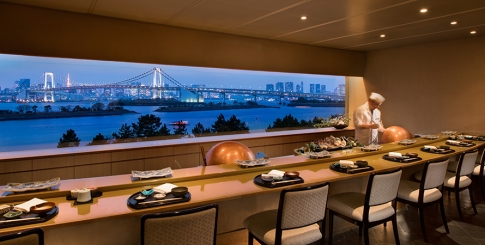
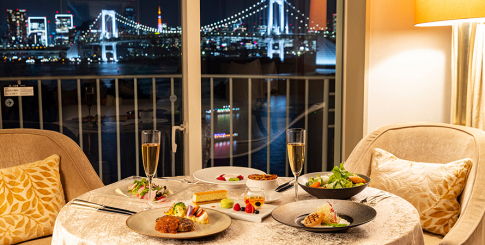
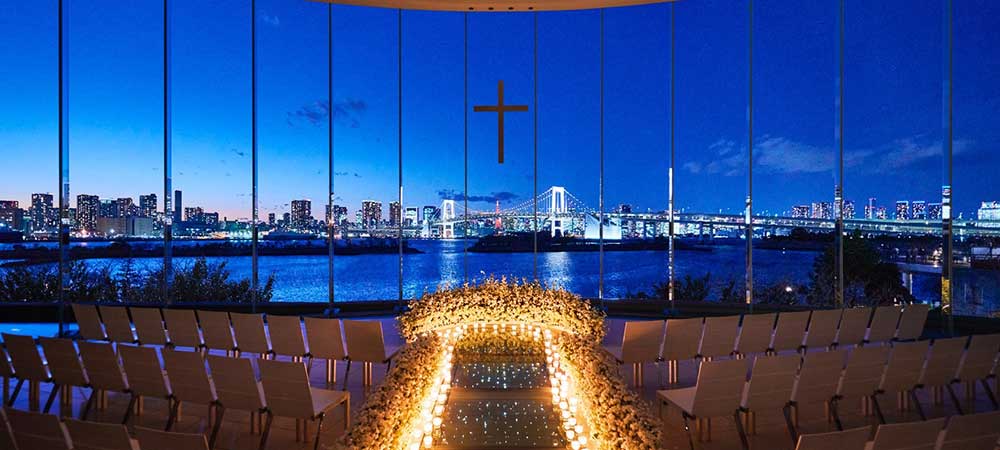
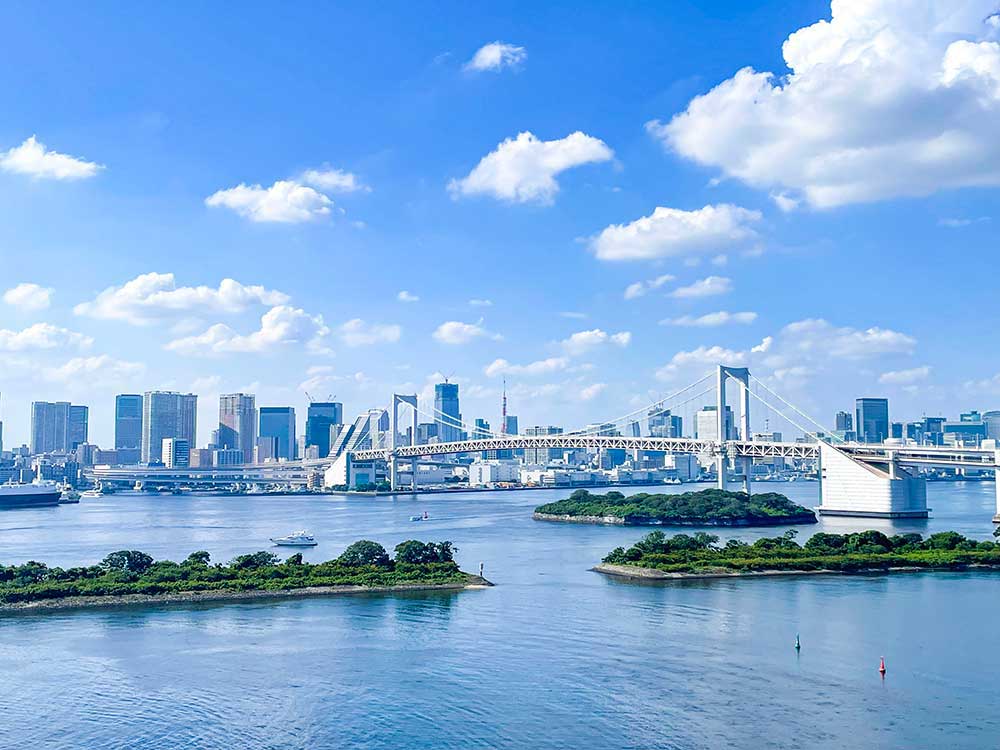
But for Kojima, Tokyo’s charm goes beyond its scale. From Hilton Tokyo Odaiba, she notes that the city’s landscape showcases not only the downtown skyline, but also the waterfront, boats, bridges, and traces of the area’s history all at once.
“Odaiba was once a strategic defense site in the Edo period, and it also carries memories of redevelopment. Now you can look across toward the skyscrapers, while yakatabune boats float in the foreground. In the visible landscape, different eras and cultures are layered together.”
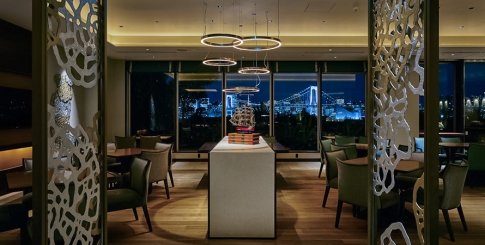
The view from Hilton Tokyo Odaiba is not simply a nightscape. It weaves together Tokyo’s past and present, the city’s lively energy, and the calm of the waterfront into a single landscape.
In the center of Tokyo, you can get swept up in its energy. But when you step back and look at it from a distance, the city’s density, lights, and historical layers come into focus with a striking beauty. That is part of what makes Hilton Tokyo Odaiba’s location so interesting.
A Fresh Perspective: Experience Tokyo from “This Side”
For Tokyo residents, staying overnight at a hotel within the city is surprisingly rare. Kojima shares that while she had attended events at Hilton Tokyo Odaiba before, an overnight stay felt entirely new.
“You almost never get to see Tokyo from this side. Sitting in the spa and gazing at the night view, I actually began to feel like—‘Tokyo belongs to me’ [laughs]. Watching beautifully lit yakatabune glide past in front of me was also wonderful.”
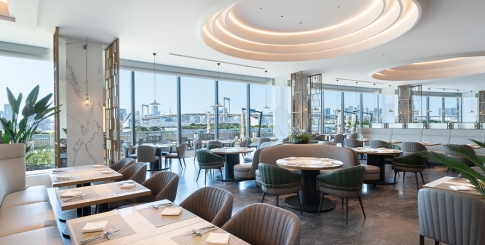
Whether swimming leisurely in the pool, relaxing in the mist sauna, or taking in the skyline, she found herself experiencing Tokyo from a completely new perspective—still close to downtown but seeing it differently. She also enjoyed watching the Yurikamome monorail pass by while dining at the restaurant.
“I think people who live in Tokyo would really love this, too. You don’t have to go very far from home to experience something out of the ordinary.”
The Tokyo you see from Odaiba is different from the Tokyo you see from the city center. With a bit of distance, you can appreciate both the city’s lively spirit and the beauty of its lights with a calmer perspective.
“There are times when Tokyo can feel overwhelming because there are just so many people. But when you look at it from here, you realize just how fascinating the city is. In the best way possible, everything about it is larger than life. There really isn’t anywhere else like it.”
Viewing Tokyo from a short distance allows you to appreciate that excess as part of its appeal. A stay at Hilton Tokyo Odaiba offers exactly that kind of shift in perspective.
Enjoy a More Immersive Tokyo Experience
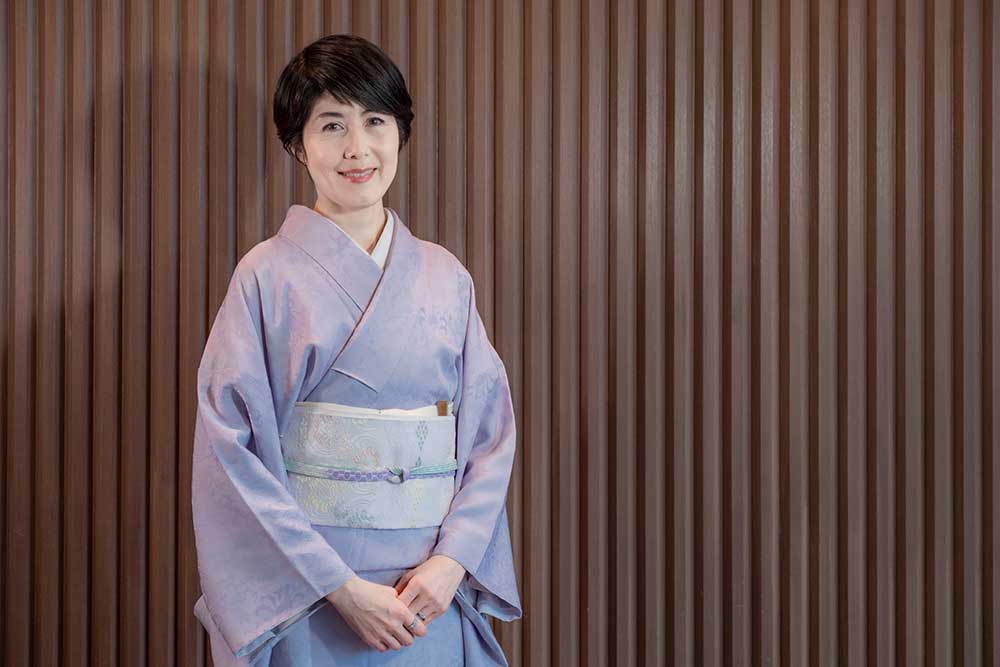
Reflecting on her stay, Kojima said, “I think it’s in a wonderful location. You cross the water from the heart of the city where you’re used to, and then look back from here.” She also connected this viewpoint to the Buddhist concept of shigan and higan—this shore and the far shore.
“It makes me think of a bridge spanning this world and another. Some things from the past continue into the present, and many different elements exist side by side. Looking at the Rainbow Bridge—one of Tokyo’s great landmarks—I can’t help thinking that way.”
Hilton Tokyo Odaiba is not just a base for exploring central Tokyo. It is also a place to step back slightly away and view the city once again in its entirety. That sense of distance offers space to embrace Tokyo with a new perspective, rather than simply enjoying it.
Instead of trying to take in everything at once, you can step back and absorb it gradually. The more you learn, the more new layers of Tokyo begin to emerge. It is like looking toward the far shore or gazing at the city lights from this side of the bridge.
Perhaps it is precisely this sense of space that allows you to experience Tokyo more deeply, more meaningfully.


