





Tokyo Stillness
See Tokyo, differently.
History, Culture & Artisans 2026.08.28
Public Restrooms Reflect Tokyo's Design Sensibility: Everyday Art Through THE TOKYO TOILET
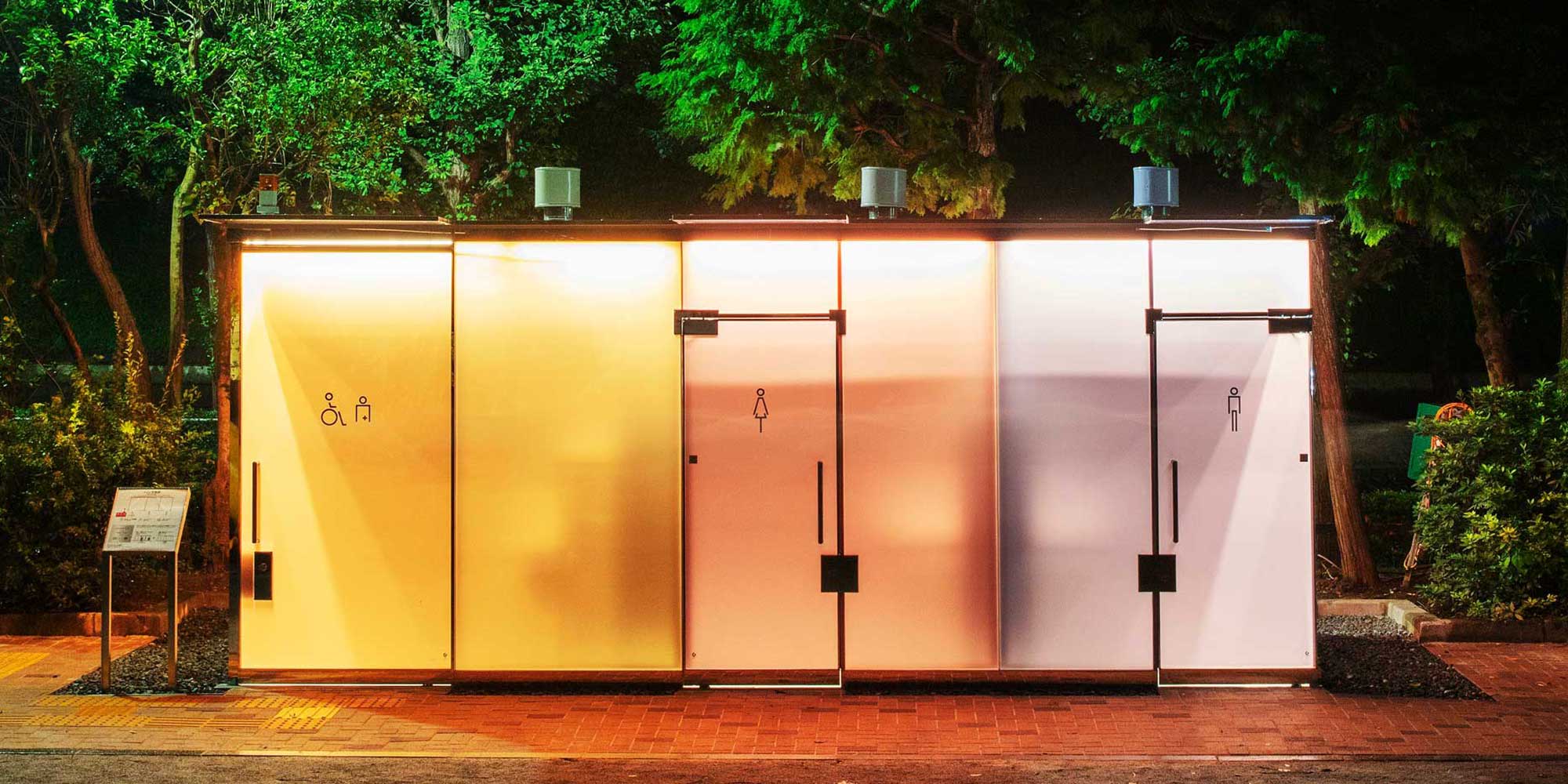
Tokyo's sense of comfort extends far beyond Hilton Tokyo Odaiba. Stations and shopping centers are thoughtfully maintained, and even public restrooms throughout the city are designed with cleanliness and ease of use in mind. For international visitors, these spaces offer an everyday glimpse of Japan's culture of hospitality.
Among the most notable examples is THE TOKYO TOILET, a project that has transformed 17 public restrooms across Shibuya with innovative architecture and design, making them more comfortable and accessible for everyone. Developed by internationally renowned architects and designers, each distinctive building seamlessly blends into its neighborhood while showcasing new possibilities for public space.
To experience how that level of care extends beyond the hotel, and what it reveals about Tokyo's design sensibility, take a walk through Shibuya.
Public Restrooms as Civic Assets
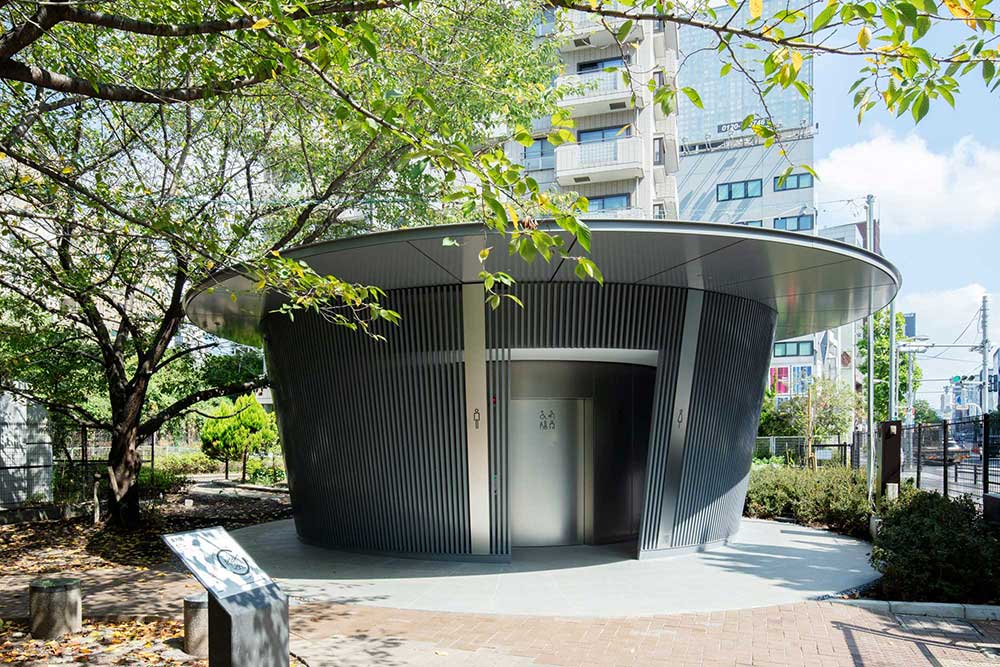
Jingu-Dori Park Toilet / Tadao Ando
THE TOKYO TOILET reimagined 17 public restrooms across Shibuya through the work of 16 creators, with the goal of supporting a more inclusive society. Each location was designed for comfort and accessibility, accommodating everyone regardless of gender, age, or disability.
The participants included internationally active architects and designers such as Tadao Ando, Toyo Ito, Kengo Kuma, Shigeru Ban, Kashiwa Sato, NIGO®, and Fumihiko Maki. Rather than museums or commercial developments, they applied their skills to a daily necessity: the public restroom.
The project launched in 2018 at the initiative of Koji Yanai, who also provided funding. With the full cooperation of Shibuya City, The Nippon Foundation oversaw maintenance, with all 17 locations completed in 2023. Shibuya City took over maintenance on April 1, 2024. Alongside thoughtfully designed facilities, the project also established the systems needed to keep them functioning as essential neighborhood infrastructure for years to come.
Public restrooms are often perceived as sketchy, uninviting, or lacking in hygiene. THE TOKYO TOILET addresses these concerns through thoughtful architecture, clear signage, user-friendly fixtures, balanced lighting, and quality materials. The completed sites also became filming locations for the movie PERFECT DAYS, bringing the project to a much wider audience.
Shibuya, One Distinctive Restroom at a Time
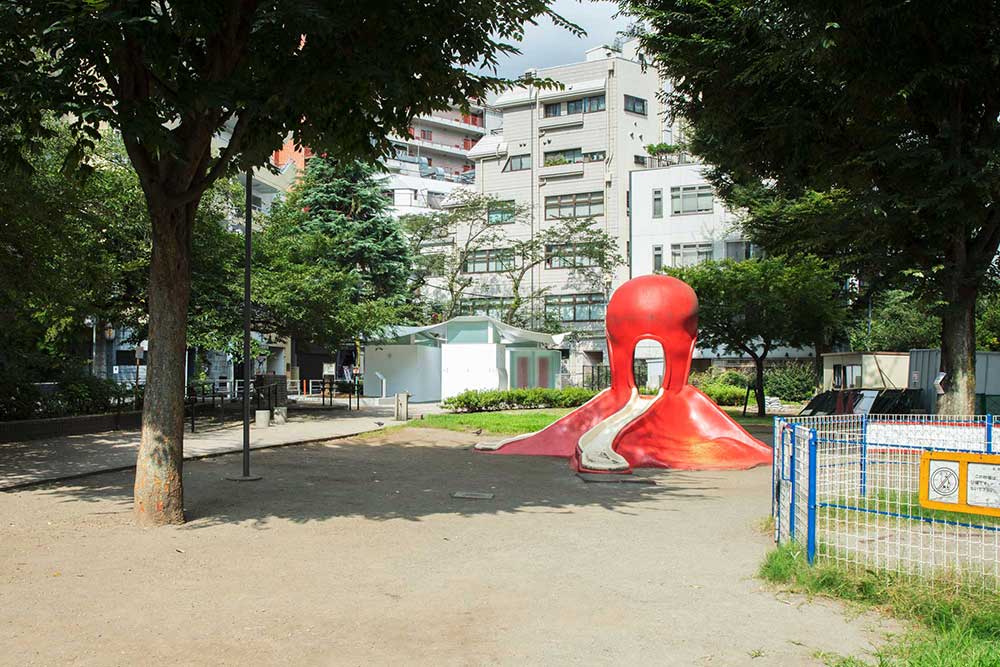
Ebisu East Park Toilet / Fumihiko Maki
One of the pleasures of exploring THE TOKYO TOILET is that all 17 locations are designed for accessibility, regardless of gender, age, disability, or nationality, yet each is architecturally distinct.
Some invite visitors to take a break. Others evoke a spacecraft that has just landed or echo the playgrounds nearby. From a distance, several do not look like restrooms at all.
The locations are not limited to the area around Shibuya Station, extending across Ebisu, Yoyogi, Harajuku, Hiroo, Hatagaya, Sasazuka, and other parts of Shibuya. Some stand beside bustling avenues; others are tucked away in residential parks or along tree-lined walkways.
Rather than rushing from one site to the next, take time to experience each restroom in the context of its neighborhood. Children play nearby, residents walk their dogs, and commuters stop by on their way to work. Because these buildings are part of everyday life, their role as civic structures becomes even more apparent.
Trying to visit all 17 in one day can leave little room to experience the city itself. Choose a cluster, such as Harajuku and Yoyogi, Ebisu, or Hatagaya and Sasazuka, and explore each at a leisurely pace. This slower approach makes it easier to appreciate how each building relates to its surroundings.
The walk between destinations is part of the experience: the path from a station to a park, the quiet of a residential street, a row of local shops, and the flow of people through the neighborhood. Viewing the restrooms as landmarks reveals sides of Shibuya that a conventional sightseeing route might overlook.
More Than Beautiful: Designing a Space for Everyone
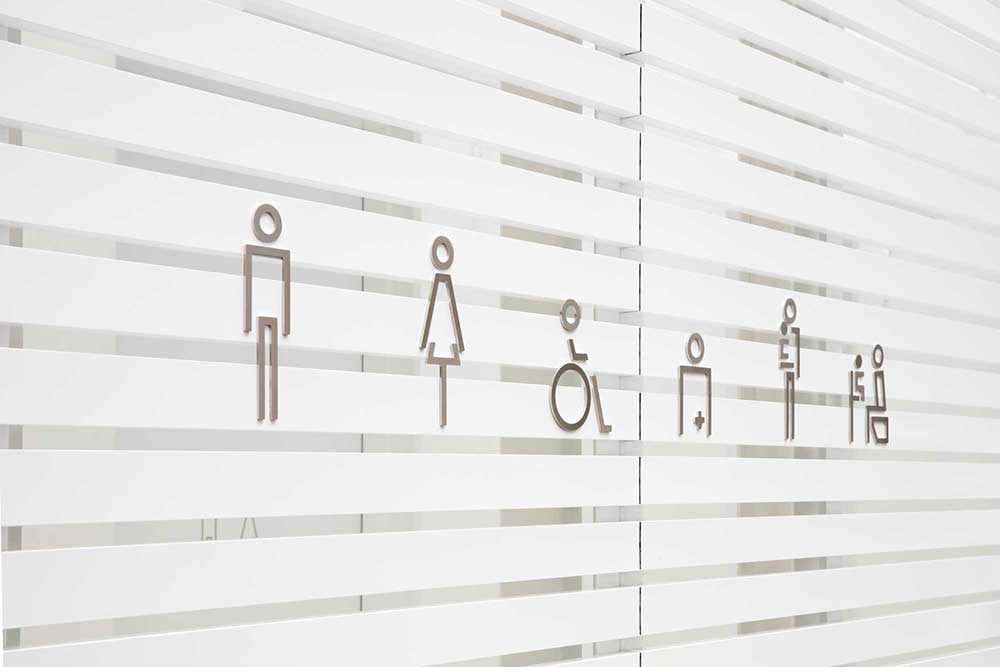
A public restroom is not designed for one type of person. Travelers and locals, families with children, older adults, wheelchair users, and people simply going about their workday all share the same space, each with different needs.
This means appearance is just one aspect. Entrances must be easy to find, layouts simple to navigate, privacy protected, and essential features conveniently accessible. While specifications vary from site to site, all 17 locations are wheelchair-accessible, according to the official website.
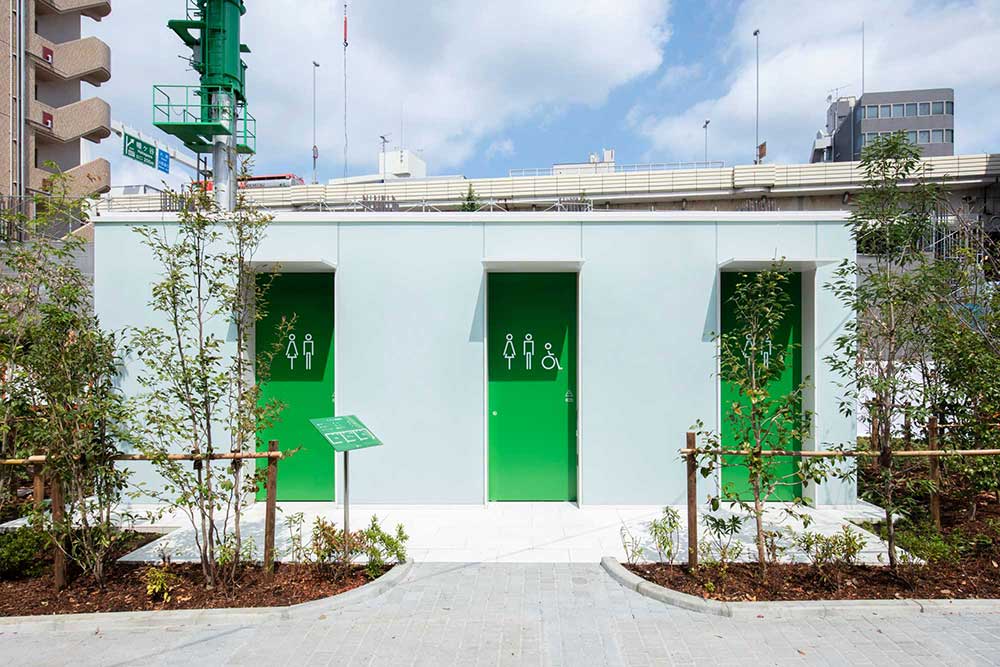
Nishihara Itchome Park Toilet / Takenosuke Sakakura
The feel of a material, the angle of sunlight streaming through, the location of the entrance, the size of the pictograms, the route to the sink: all these details reveal the attention paid to the user experience. Because each restroom is compact, the designer's intent is reflected in every decision.
A public restroom must be immediately easy to navigate, even for first-time visitors. Each design has its own identity, but features such as entrances, gender-specific and all-gender areas, and available facilities must be clear at a glance. Thoughtful public-space design considers the entire experience, from the moment someone approaches the building until they leave.
The Unseen Work Behind Cleanliness
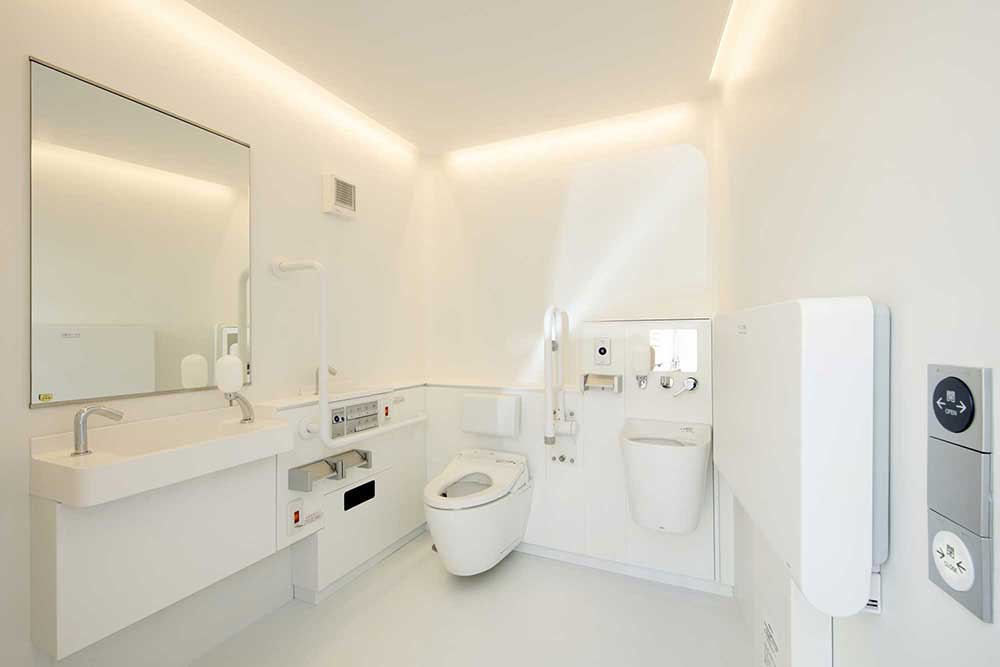
Nishisando Public Toilet / Sou Fujimoto
Outstanding design alone does not make a successful public space. Restrooms are used daily, exposed to weather and natural elements, and their condition changes over time. Consistent cleaning and inspections are essential for maintaining comfort and hygiene.
In addition to daily cleaning, THE TOKYO TOILET conducts regular inspections and professional assessments. Teams check exterior walls, lighting, and ventilation systems, adjusting maintenance routines based on how each site is used and how quickly it gets soiled. The official website describes the entire operation, including cleaning and inspection, as part of the design process.
The initiative has also expanded into creative projects, including the film PERFECT DAYS. By presenting public restrooms as spaces worthy of design and creative attention, THE TOKYO TOILET has fostered greater appreciation of their value. It has also brought visibility to the often-overlooked efforts of cleaning teams. Designers shape the spaces, cleaning staff care for them daily, and visitors use them respectfully. These efforts together sustain public spaces.
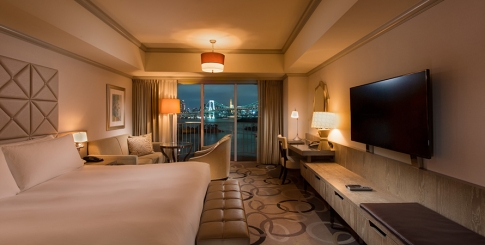
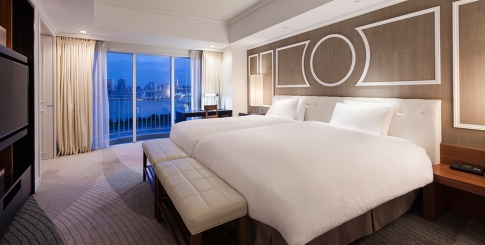
Similarly, the guest rooms and public areas at Hilton Tokyo Odaiba are likewise kept comfortable, thanks to the dedication of the Housekeeping and Facilities teams. Aesthetics and comfort are not determined at the time of opening; they are sustained through daily care.
Back at the Hotel, Everyday Details Come Into Focus
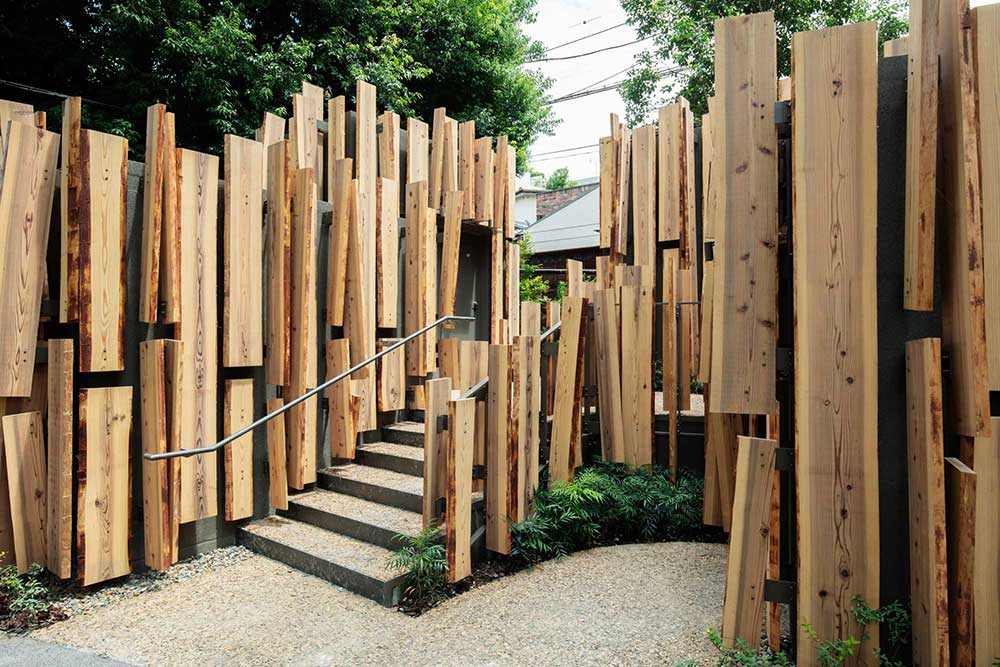
Nabeshima Shoto Park Toilet / Kengo Kuma
After exploring THE TOKYO TOILET, returning to the hotel can bring new awareness to often-overlooked details: spotless bathrooms, clear signage, balanced lighting, and routes that are easy to navigate even with luggage. Each small decision contributes to a comfortable stay.
Hotels and public restrooms differ in scale and purpose, yet they share a strong commitment to comfort: helping people move around smoothly and providing what they need, where they need it. The best design feels so natural that it barely registers, but it creates a lasting sense of ease.
Tokyo's distinct charm is not limited to landmarks or popular restaurants at the moment. It also thrives in small buildings on street corners, in well-maintained public spaces, and in the care invested in places everyone uses. These everyday details express a distinctly Tokyo approach to design.
At THE TOKYO TOILET, the experience extends beyond the architecture itself to the people working daily to keep it well maintained. The same is true at Hilton Tokyo Odaiba. While the views and interiors are important, meticulous maintenance and attentive staff matter just as much. In Tokyo, and during every stay at the hotel, this commitment to care is found everywhere.
THE TOKYO TOILET
Locations: 17 sites across Shibuya, Tokyo
Official website: https://tokyotoilet.jp/


