





Tokyo Stillness
See Tokyo, differently.
Food Experiences 2026.05.27
Odaiba’s Calm, Tsukishima’s Energy: A Monjayaki Experience That Lets You Savor Two Sides of Tokyo
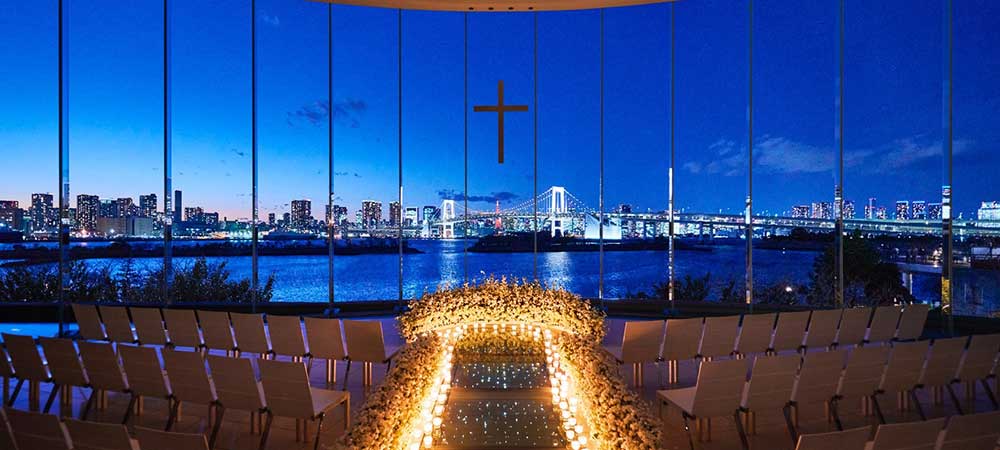
A night at Hilton Tokyo Odaiba offers pleasures that extend beyond the hotel itself. A short trip away is Tsukishima, a neighborhood defined by the sizzle of the teppan grill and the spirit of old Tokyo. The peaceful ambience along Odaiba’s waterfront contrasts beautifully with the lively atmosphere of Tsukishima—allowing you to experience two distinct sides of Tokyo’s nightlife. Why not make it a memorable evening? Savor the excitement, then unwind in tranquility.
The Energy of Tokyo’s Local Food Scene: Best Experienced in Tsukishima
The main reason Tsukishima is known throughout Japan is monjayaki, one of Tokyo’s most iconic local dishes. Along its main street, lined with specialty shops down narrow lanes, the air is filled with the aroma of sauce sizzling on hot iron plates and the vibrant sounds of diners sharing a laugh around the table, enjoying a meal together. By night, the entire area takes on the energy of a true “monja town.”
Monjayaki traces its roots to mojiyaki, a dish children used to make on iron plates at candy shops before the war. Over time, it evolved into something more complex and substantial, featuring a richer combination of ingredients and broth. Today, it is loved not only for its flavor but also for the interactive dining experience it offers—bringing people together around the grill to share both a meal and memorable moments.
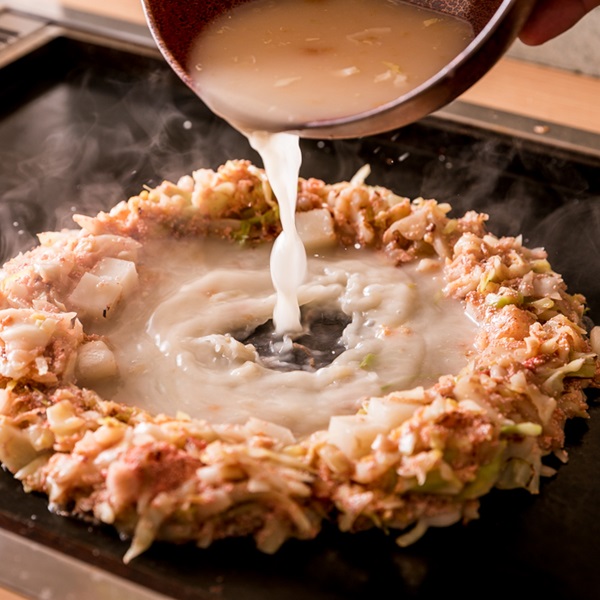
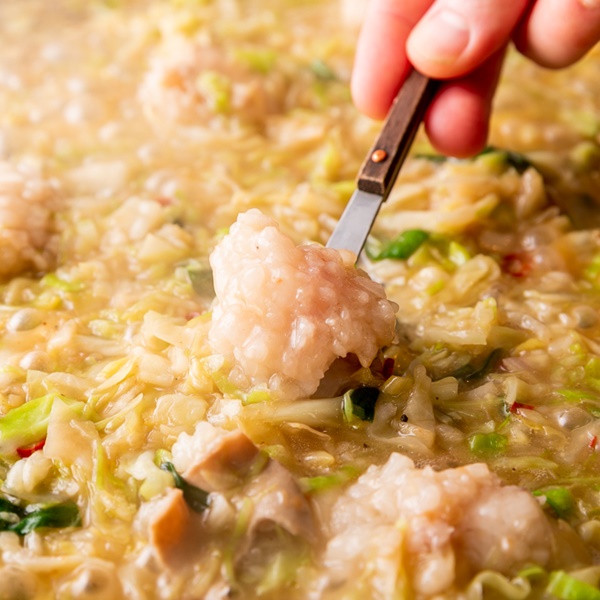
In a typical restaurant, each person is served an individual plate. Monja works differently: everyone shares a single griddle. First, the ingredients are stir-fried separately to release their aroma and then shaped into a ring, leaving a space in the center. The batter is then poured into the middle. Once it begins to thicken, everything is mixed together and enjoyed directly from the hot plate using a small spatula. The sizzling sound, the rising steam, even the nutty aroma of the browned edges—all of it is part of the appeal of this authentically experiential dining experience.
There is a distinctly Tokyo kind of energy here: the sizzling sounds and enticing aromas of food cooking in front of you, the way people naturally lean closer together around the grill. It offers a striking contrast to the serene ambience of dining in a hotel restaurant.
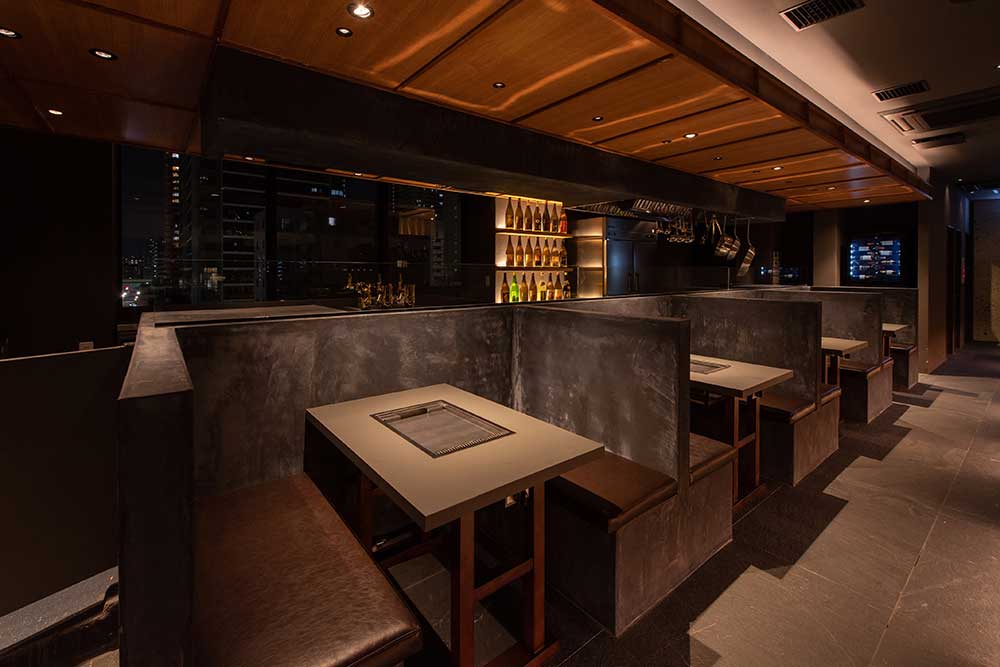
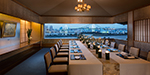
Interior of Private Room Monja Koboreya Kakoi
At Koboreya, Monja Meets Kappo for a More Grown-Up Kind of Indulgence
Among Tsukishima’s many well-known spots, one place especially worth visiting is Tsukishima Monja Koboreya. The restaurant features a simple but distinct concept: “downtown monja × kappo.” By reimagining a beloved childhood comfort food, Koboreya transforms monja into an elevated culinary experience that appeals to discerning adults.
In the Tsukishima area alone, Koboreya operates six locations: the main branch, a separate annex, the private-room monja restaurant Kakoi, the backstreet-style Yui, Nibangai on the ground floor of a tower residence, and En located right next door. Each offers a distinct atmosphere, allowing you to choose the perfect setting for anything from a casual meal to a more refined dinner. By reserving in advance, you can easily secure your preferred spot to fit your itinerary.
What makes Koboreya interesting is that it does not simply present downtown bustle as it is. Instead, it refines the experience through carefully selected ingredients, inviting spaces, and attentive service. Koboreya preserves the lively spirit that feels true to Tsukishima, while also delivering the quality that suits an evening out on a trip. That balance offers you a real sense of the depth of Tokyo’s rich food culture.
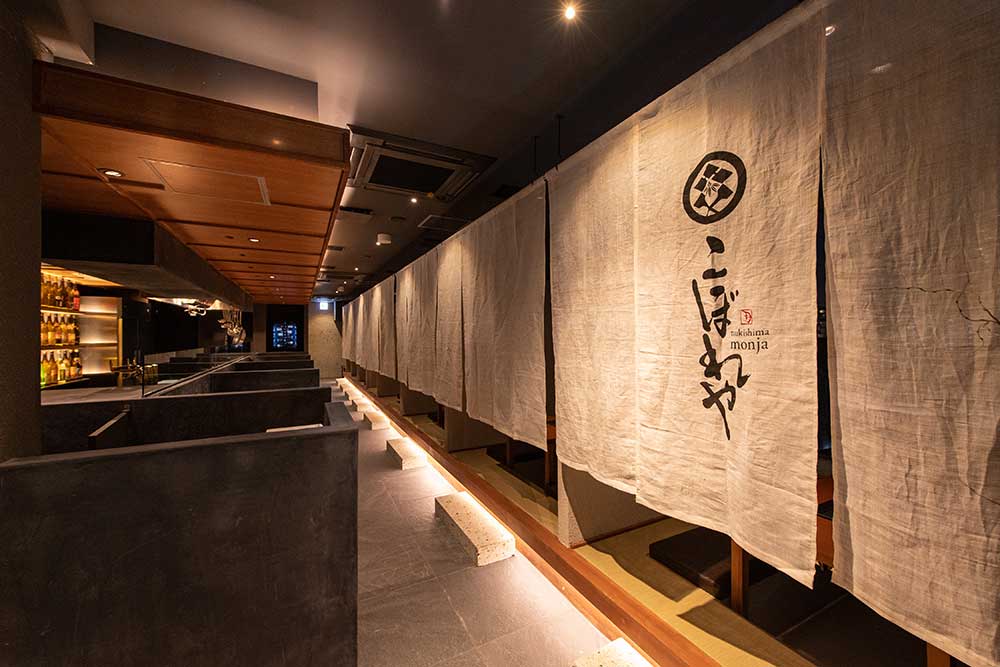
Interior of Private Room Monja Koboreya Kakoi
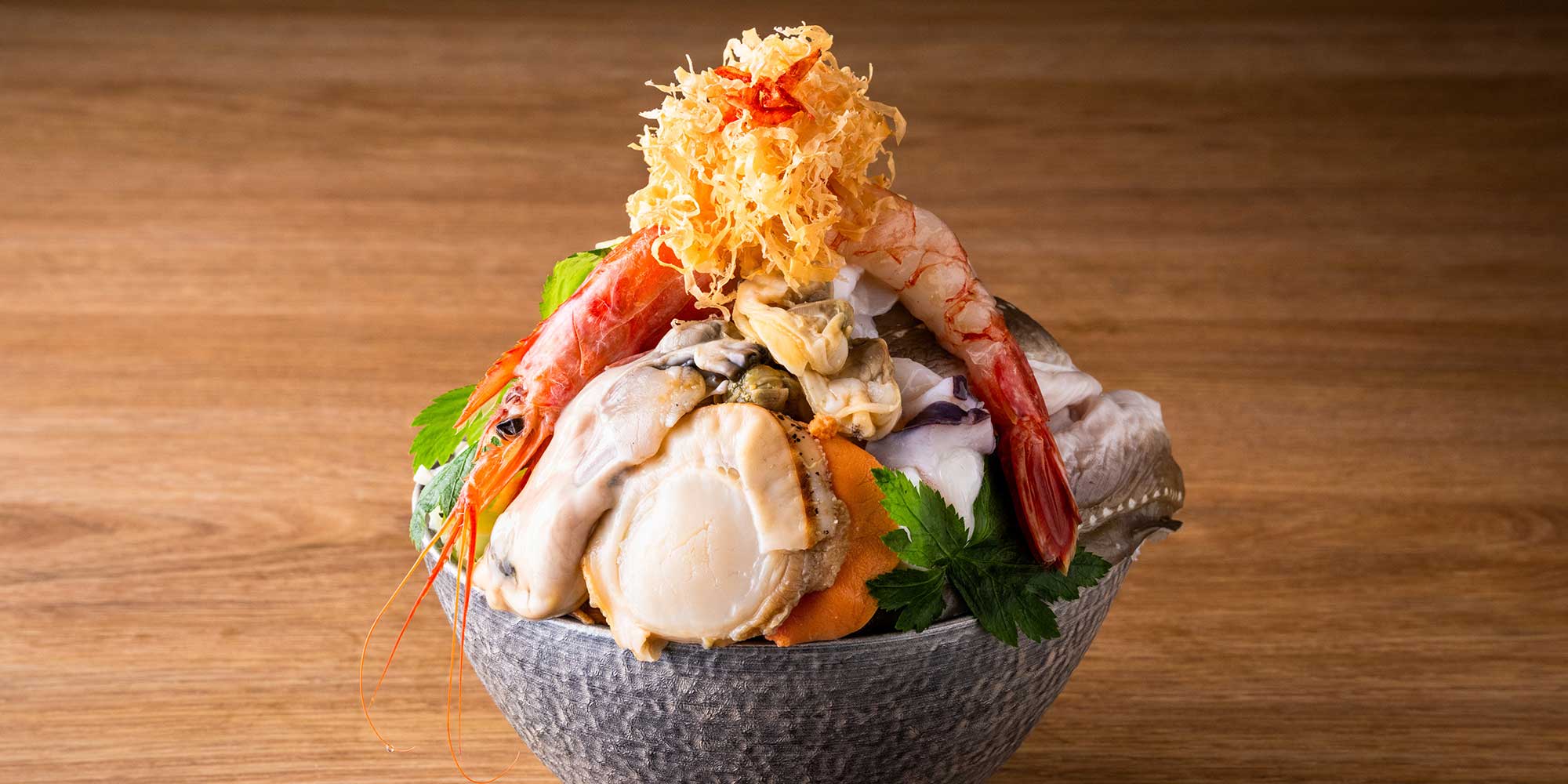
At the heart of Koboreya’s monja is its signature broth. Described by the restaurant as “a dashi made only from what Japan considers delicious,” it is carefully prepared from selected ingredients sourced from across the country: Biei wheat from Biei in Hokkaido, shaved bonito from Kyoto-based Fukushima Katsuobushi, pork bones from Kagoshima Kurobuta raised on the Osumi Peninsula, and spring water from Mt. Fuji sourced in Fujiyoshida, Yamanashi. The sweetness of the wheat, the aroma of the fish, the richness of the pork bone, and the purity of the water come together to create a depth of flavor far beyond what the dish’s appearance might suggest. On top of that, the ingredients are piled on so generously that they look ready to spill over, resulting in a visually striking dish that almost demands to be photographed the moment it is served.
A top recommendation is the restaurant’s most popular dish, the Mentaiko Mochi Monja, made with a whole premium stick of Hakata mentaiko. Seasoned with familiar dashi elements such as kombu and bonito, the spicy cod roe offers a light flavor at first bite, then develops into a richer umami finish.
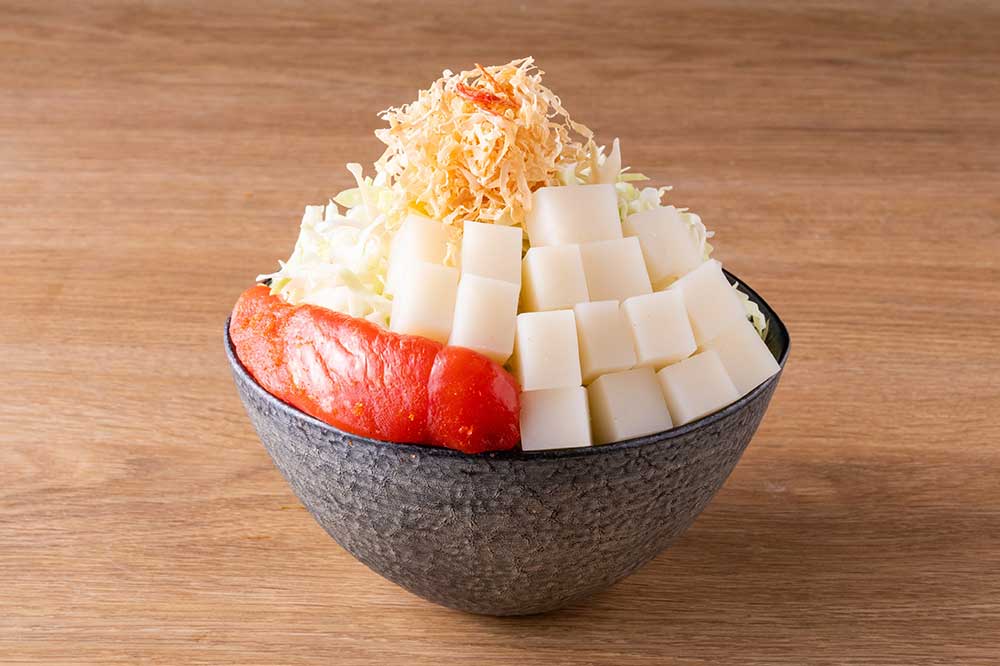
Another signature dish is Koboreya, named after the restaurant itself and generously topped with a variety of fresh seafood delivered directly from Toyosu. In terms of appearance, ingredients, flavor, aroma, and texture, it is a dish that leaves nothing to chance.
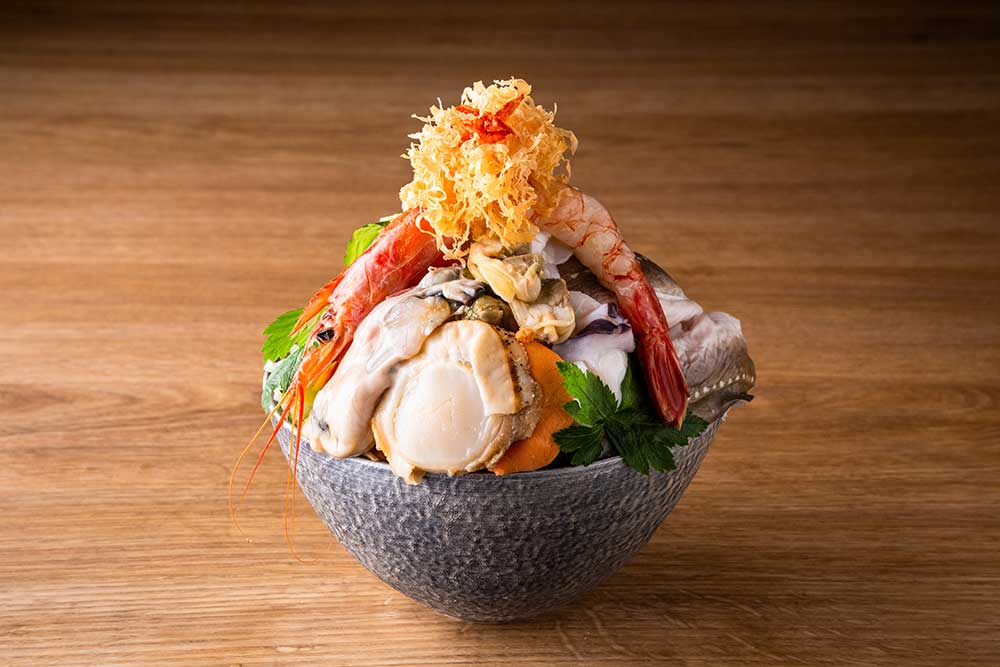
What makes monja distinctly Tokyo is that, while it is undeniably a local specialty, its ingredients are sourced from all over Japan. Flavors from Hokkaido, Kyoto, Kagoshima, Yamanashi, and Toyosu come together on a single iron griddle in Tsukishima. In that sense, monja is a reflection of Tokyo itself: a city that embraces diverse flavors from various places and turns them into one lively, communal experience.
Relaxed Luxury in a Welcoming, Modern Japanese-Inspired Space
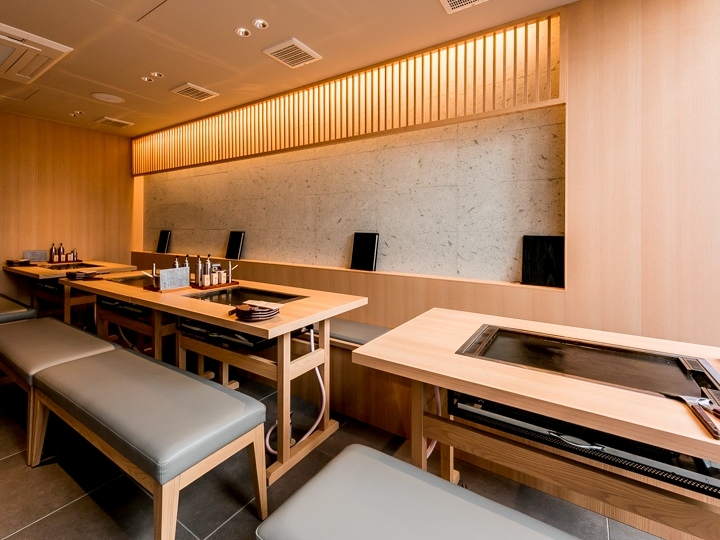
Interior of Backstreet Monja Koboreya Yui
The interiors feature natural wood textures in a modern Japanese style. Many of the seats are semi-private, allowing you to enjoy the neighborhood’s lively downtown atmosphere while maintaining your own sense of space. At the grill, staff expertly prepare the food for you, creating a comfortable experience for first-time visitors. The excitement of waiting as your meal is prepared naturally encourages conversation.
The atmosphere is casual, yet the ingredients and cooking are of the highest quality. This kind of relaxed luxury is equally suited for a business dinner, a family meal, or a celebratory night out.
A sophisticated evening does not always necessarily mean a hushed, formal setting. There is also something distinctly Tokyo about sharing laughter over rising steam and savoring bites from the grill with a spatula in hand. It is polished, but never stiff. This balance is what makes Tsukishima monja such a fitting experience for a night on the road.
From Odaiba to Tsukishima: A Night Transitioning from Energy Back to Tranquility
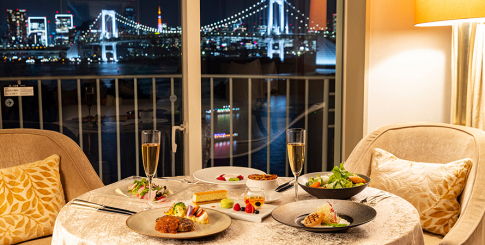
Getting there is easy. From Daiba Station, directly connected to Hilton Tokyo Odaiba, take the Yurikamome Line to Toyosu, then transfer to the Tokyo Metro Yurakucho Line for one stop to Tsukishima. From the station, Koboreya is just a short walk away. By taxi, the trip takes about 15 minutes across the Rainbow Bridge. The drive itself, with scenic night views over Tokyo Bay, makes for a lovely little aperitif before dinner.
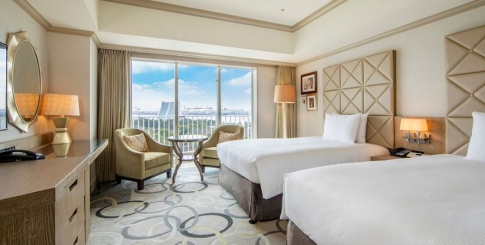
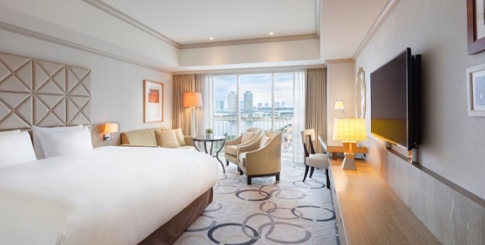
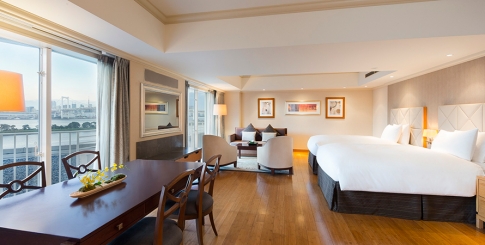
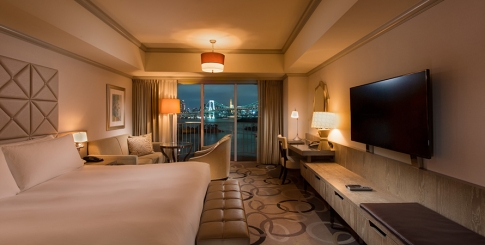
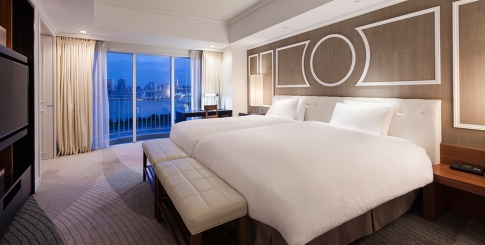
When you return to the hotel after dining in Tsukishima, the heat and energy of the evening gradually give way to something quieter. After gathering around the teppan, the calm of your guest room feels even more pronounced.
Nights in Tokyo have many facets. The energy of Tsukishima around the grill and the serenity you return to at a waterfront hotel are both authentically Tokyo. You venture out to enjoy its liveliness, then retreat to its restful stillness. It is that “back and forth” that makes evenings in Tokyo especially unforgettable.
Tsukishima Monja Koboreya
3-16-9 Tsukishima, Chuo-ku, Tokyo 104-0052
TEL:03-3520-9976
Opening Hours:
Mon – Thu: 17:00 – 23:00
Fri & Eve of Holidays: 17:00 – 23:00
Sat: 11:00 – 23:00
Sun & Public Holidays: 11:00 – 22:00
Closed: Irregular Holidays


