









Tokyo Stillness
See Tokyo, differently.
History, Culture & Artisans 2026.07.10
Why City Pop Perfectly Complements Tokyo at Night: Face Records Picks Three Albums to Listen to in Odaiba
Originating in Japan in the 1970s and 1980s, city pop has become a favorite among music fans around the world. But what is it about this polished, urban sound that complements night views of Odaiba so well? We visited Face Records SHIBUYA, a well-known record store in Shibuya, to discuss the genre’s global appeal and unique musical qualities. We requested the shop to curate three essential albums that perfectly complement Odaiba’s waterfront scenery, and we also explored how music can make a night in Tokyo linger in one’s memory after the trip is over.
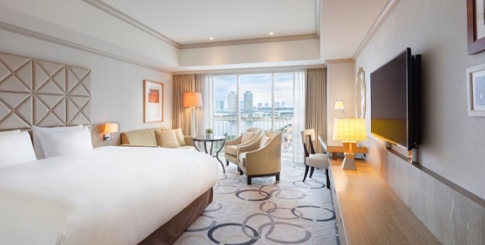
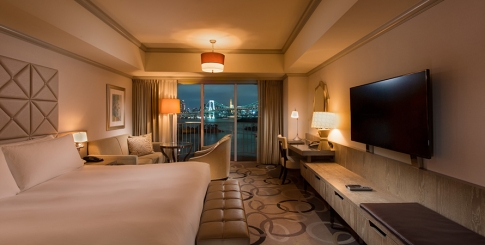
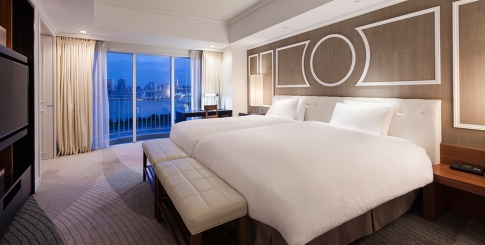
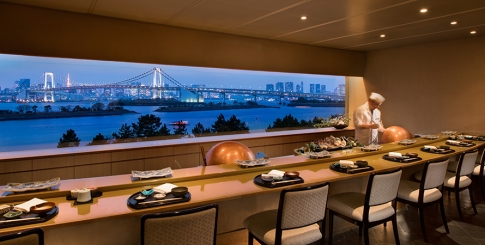
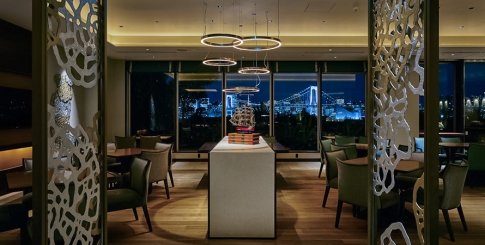
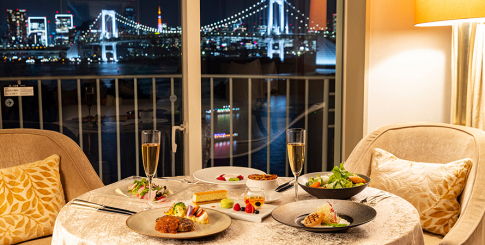
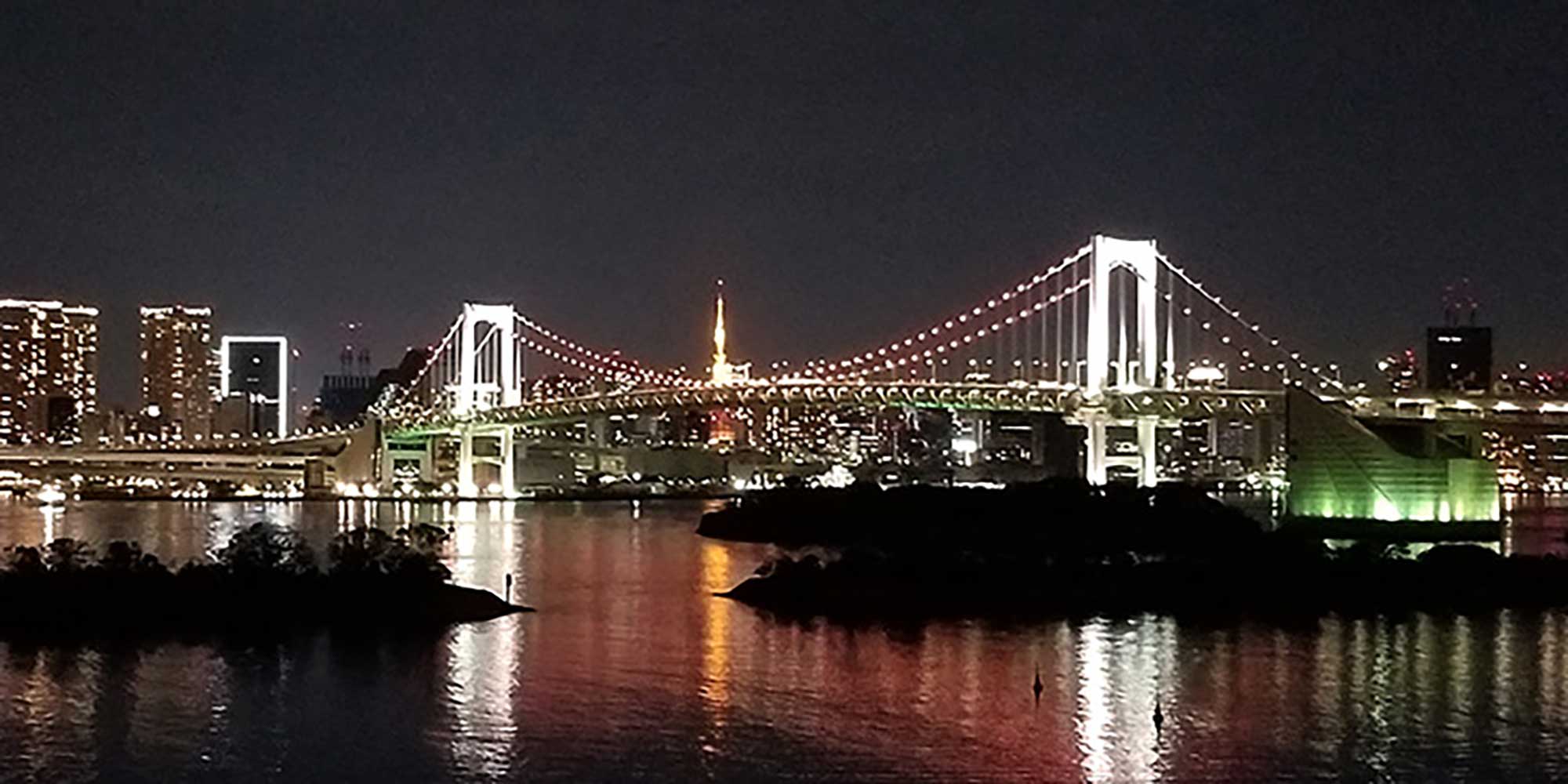
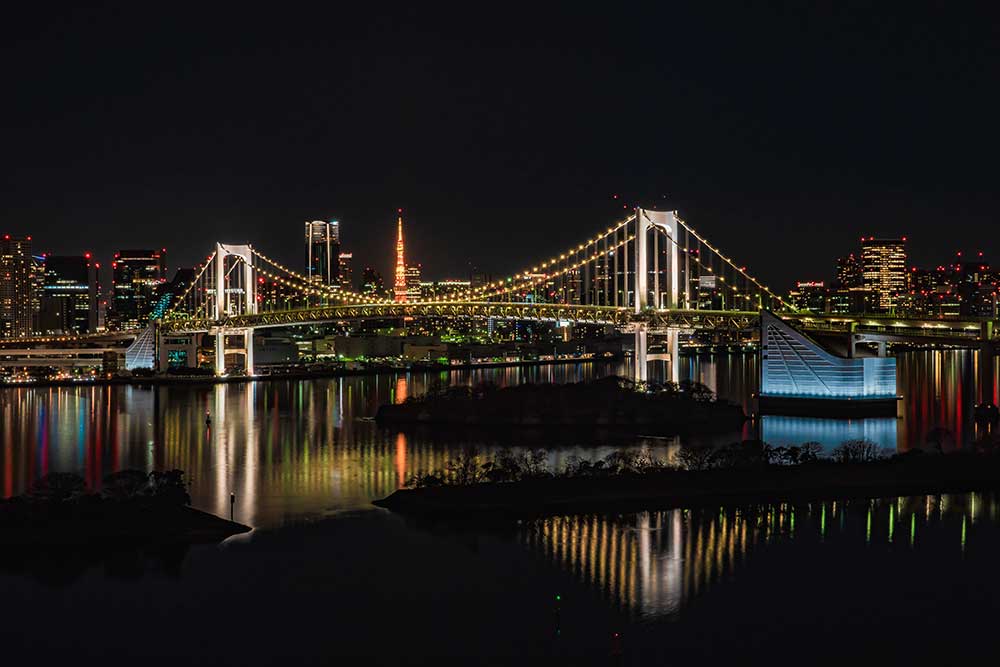
As night falls, the lights of Tokyo begin to rise beyond the balconies of Hilton Tokyo Odaiba. Rainbow Bridge arches gracefully across the bay. Farther beyond stand Tokyo Tower and the city’s skyscrapers. As you watch the lights shimmer on the water, a certain kind of music almost seems to start playing in your head.
It is city pop: a polished, urban genre of Japanese music shaped by Western influences and which emerged in Japan in the late 1970s through the 1980s.
Where City Pop Stands Today, Insights from a Record Store
Over the past decade, city pop has gained significant international attention. Today, its appeal extends far beyond Japanese music enthusiasts. People from around the world now come to Tokyo in search of these records. What factors have enabled city pop to resonate so widely across borders and generations?
To find out, we visited Face Records SHIBUYA, a record store in Udagawacho, Shibuya.
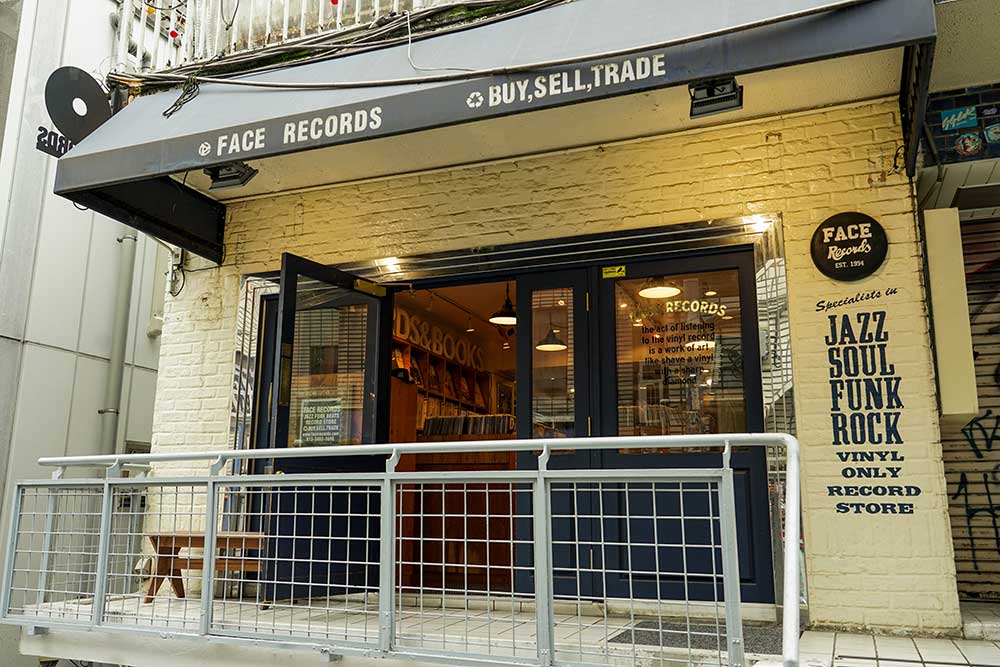
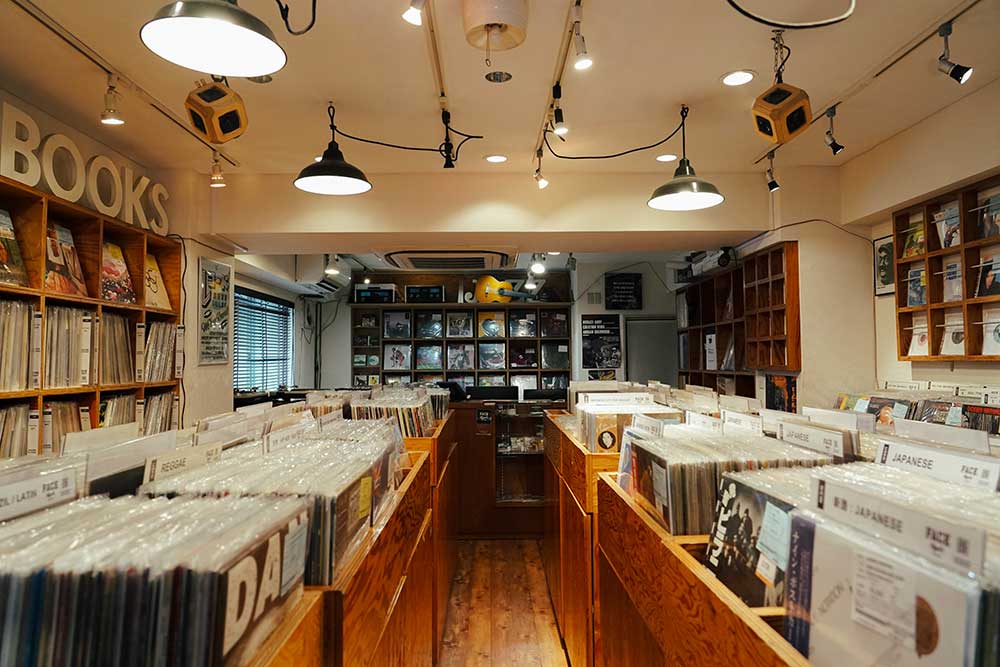
“About 60 percent of our customers are from overseas, and many are from North America. A lot of them find us through Instagram or Google and stop by as part of a record-store crawl in Shibuya,” says Kotaro Igari, a staff member at the shop.
Face Records SHIBUYA specializes in used records, featuring R&B, soul, funk, jazz, and hip-hop. Their selection ranges from classic albums of the 1970s and 1980s to more niche finds. In recent years, it has also become an important stop for international fans seeking authentic Japanese music culture.
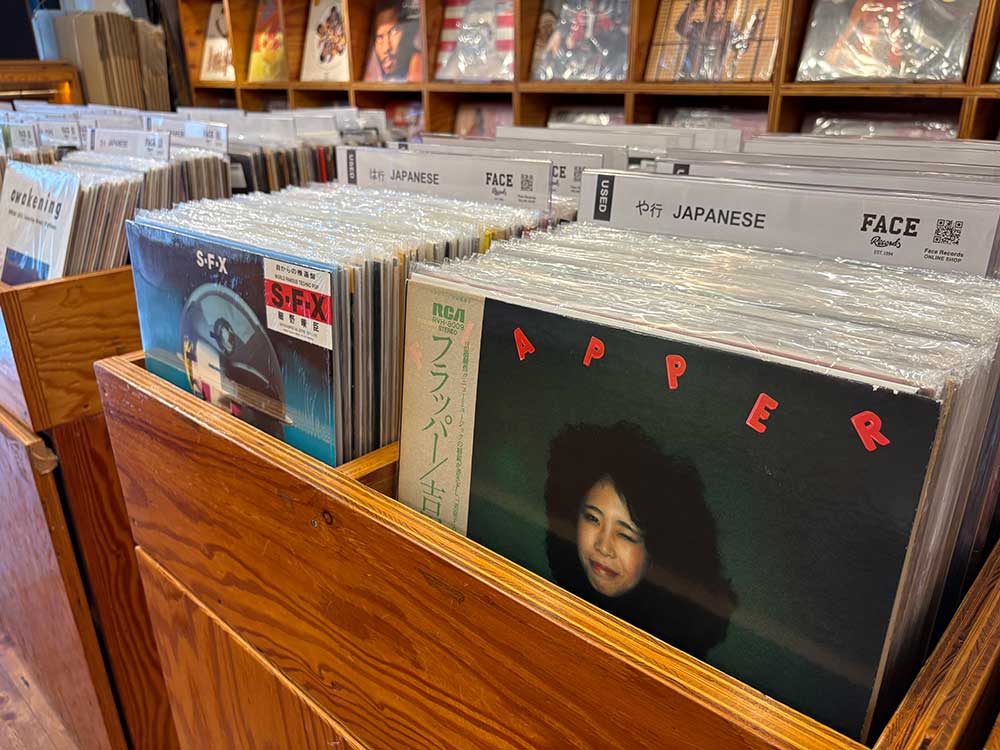
While the store carries many Western classics, the section dedicated to Japanese artists is especially popular among international customers.
“City pop has grown beyond just a trend and truly established itself. Lately, we’ve also seen more people looking for 1980s fusion, like Masayoshi Takanaka and Casiopea, as well as Japanese jazz from the 1970s.”
City Pop: Transforming Urban Scenery and Mood into Music
City pop does not have a fixed definition. This flexibility is part of what has made the genre resonate across time and borders.
The music captures the excitement of city life, the appeal of a refined lifestyle, a yearning for unexplored destinations, and the optimism of a new era. In that sense, city pop is music made from a distinctly urban sensibility.
The genre emerged during a period when Japan, following years of rapid economic growth, was entering a more mature phase from the late 1970s into the 1980s. Tokyo’s skyline was evolving with high-rises, waterfront districts were being developed, and expressways began to thread through the city.
Young people at that time drew inspiration from the American West Coast, New York, Paris, London, the Mediterranean, and other destinations featured in magazines and films. International travel was still something special, and for many in Japan, these overseas locations and lifestyles symbolized the future.
City pop gave musical expression to this sense of longing.
Fashion, lifestyles, cars, interiors: so much of it felt new to Japan at the time. Musically, artists drew inspiration from abroad, including R&B, soul, funk, and AOR, and shaped these influences into music suited for Tokyo’s urban life.
“Musically, you can clearly hear influences of artists such as Boz Scaggs, Bobby Caldwell, and Steely Dan. Tatsuro Yamashita has also spoken openly about his admiration for Curtis Mayfield. City pop developed by integrating elements of AOR, soul, and disco.”
Yet even with these strong international influences, city pop has a character all its own. What gives it that appeal?
“You can hear how much care went into every note. The chord progressions are often complex, reflecting significant jazz and fusion influences. That attention to detail may be one of the things that make it distinctly Japanese.”
Three Essential Albums for the Odaiba Nightscape
From the diverse world of city pop, we asked Face Records to choose three albums that would perfectly complement the night views from Odaiba.
The first is Anri’s Timely!!. Produced by Toshiki Kadomatsu, the album has garnered increased attention in recent years.
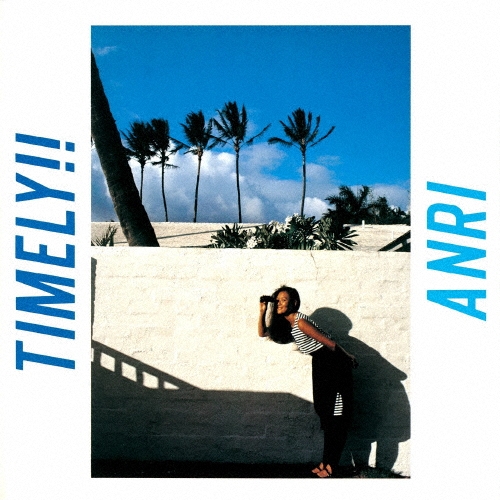
“It has this energetic vibe that makes you want to listen while driving through Odaiba or along the waterfront. There’s a sense of motion to it, like car headlights reflected on the water.”
Next is Tatsuro Yamashita’s For You. Its cover, illustrated by Eizin Suzuki, is also recognized as an image that captures Japan’s fascination with the American West Coast.
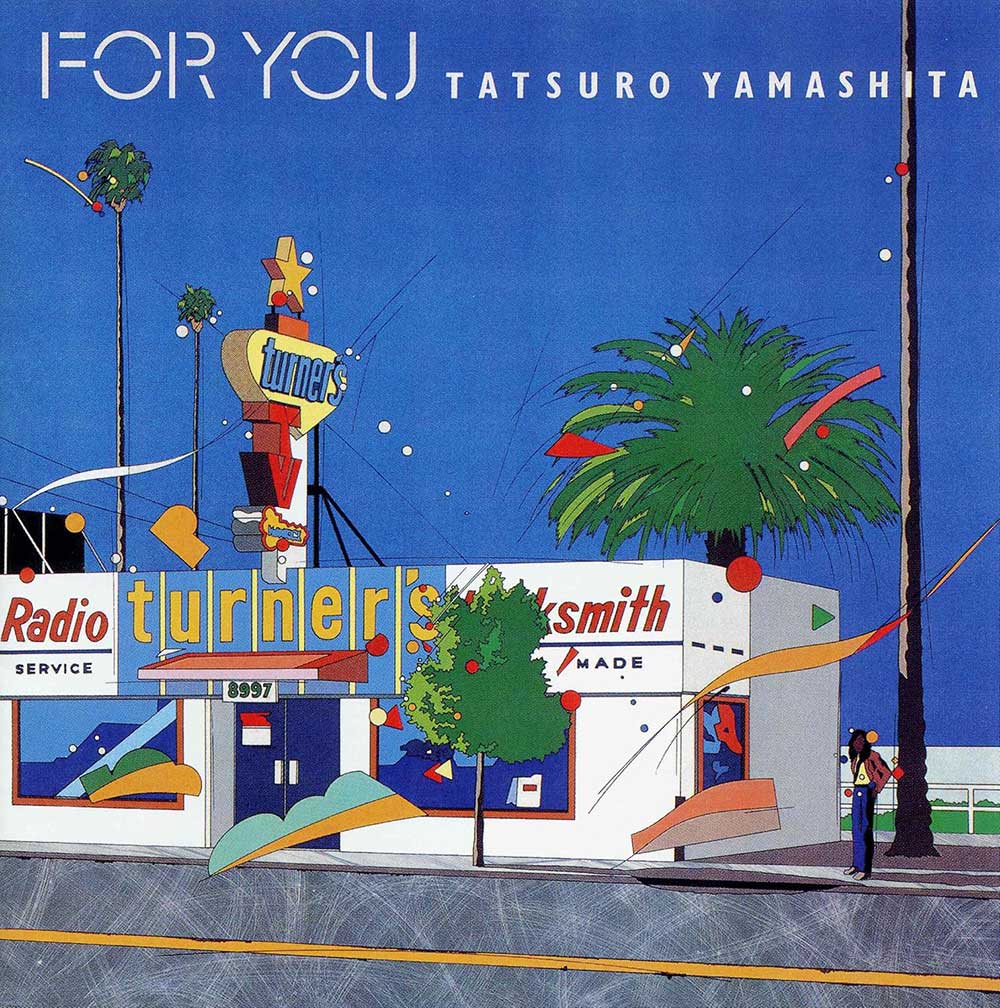
“The album is full of urbane soul-funk elements, beautifully complementing the night views from Hilton Tokyo Odaiba, while also fitting seamlessly into the relaxed hours of the afternoon. It is also known as one of the defining city pop albums.”
The third is Hiroshi Sato’s Awakening. Opening with the sound of waves, this laid-back album may be the closest match to the theme of this story.
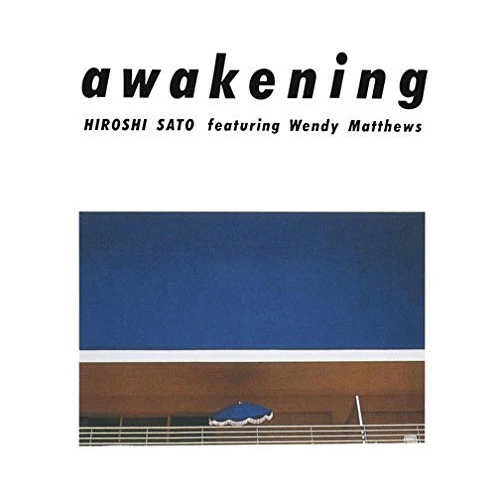
“It’s perfect for reflecting on the day’s journey, taking in the night view, and leisurely enjoying a drink.”
Sato designed the artwork himself, giving the album a visual appeal that makes it worth displaying on its own.
A Time Capsule of Tokyo That Still Feels Alive
The three albums selected by Face Records were all released more than 40 years ago. Yet people around the world continue to search for these records, not simply because of nostalgia but also for the unique energy the genre embodies. City pop captures the vibrance of a future on the horizon, blending unmistakable 1980s nostalgia with a forward-looking optimism that still feels almost futuristic.
“That sense of the city drawing you in, the excitement of stepping into an urban landscape, still resonates in Tokyo’s night views today.”
We cannot help but agree with Igari’s words. Of course, the Tokyo of the 1980s and the Tokyo of today are not the same. Rainbow Bridge had not yet been built then. Yet, the view from Odaiba still reflects something of the future people imagined in that era.
Light spreading across the bay after dark
High-rises reaching into the sky
The energy of a city that never stops moving
The scenery quietly echoes the vibrant vision city pop has always imagined.
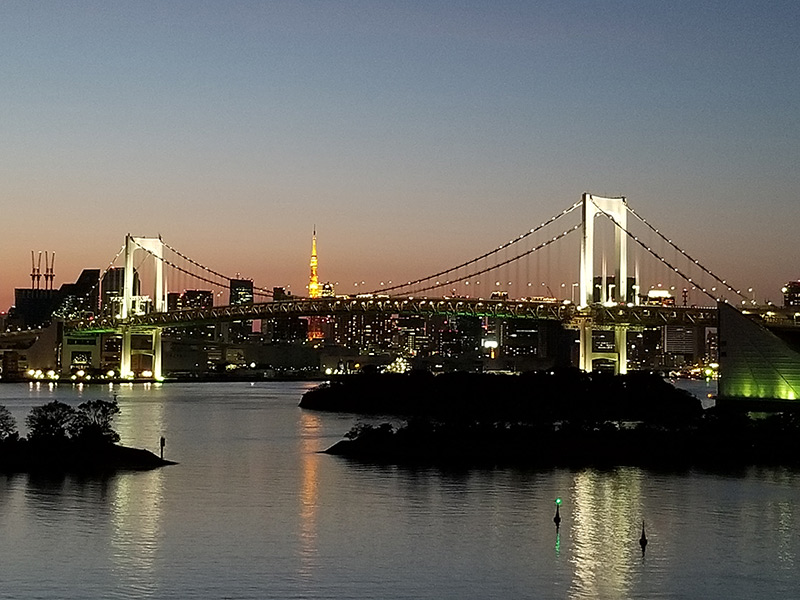
Search for your favorite record in Shibuya, then return to Hilton Tokyo Odaiba. Step out onto the balcony, take a deep breath, and listen to a city pop classic on a portable record player while enjoying the Tokyo night view. Through the music, the excitement of travel and the city’s unique atmosphere slowly return to you.
And that memory lingers after you return home. When you place the needle on the record again, what comes back is more than just the sophisticated beat or the bright melody—it is the glow of Rainbow Bridge seen from the balcony of Hilton Tokyo Odaiba, the shimmer of the city reflected on the water, and that distinct feeling of time spent in Tokyo.
City pop is more than just music. It serves as a time capsule for your Tokyo memories. From the rooms and balconies of Hilton Tokyo Odaiba, the view becomes an inseparable part of that experience.
Bringing home a record is not simply about music; it also means carrying home a piece of your time in Tokyo.


